2026 Top Bathroom Furniture Trends to Transform Your Space?
In recent years, the bathroom furniture industry has seen significant innovations and shifts in consumer preferences. The global market for bathroom furniture is projected to grow by 5.8% annually, reaching $27 billion by 2026. This reflects a growing recognition of the bathroom as a personal sanctuary within the home. According to industry expert Michael Johnson, "Bathroom furniture must blend functionality and style to meet modern needs."
As we approach 2026, trends indicate a shift toward eco-friendly materials and minimalist designs. Consumers desire sustainable options that enhance the aesthetic appeal of their spaces. However, many buyers still overlook the importance of integrating practicality with style. A well-designed bathroom can improve daily routines, yet too often people focus solely on decor without functional considerations.
The urge to create a spa-like atmosphere at home is evident. Many homeowners now invest in luxurious vanities and spacious storage solutions. Yet, the challenge lies in finding pieces that harmonize with their existing design. It’s crucial to continually reassess choices in bathroom furniture to best reflect personal taste while addressing utility.
2026 Trends in Bathroom Furniture for Modern Aesthetics
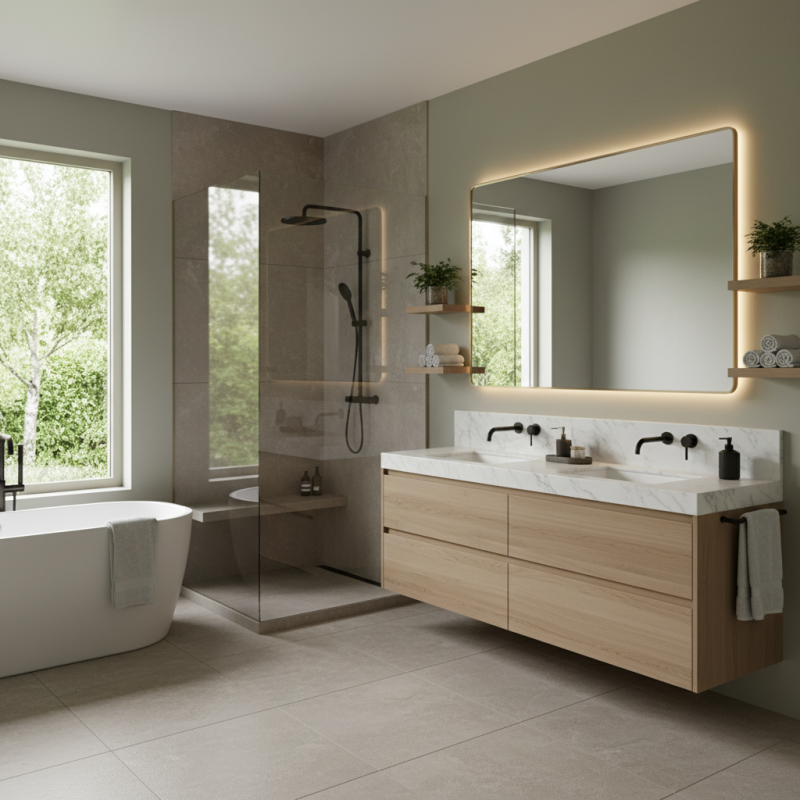
The bathroom is often overlooked in home decor. However, 2026 brings fresh ideas to make it modern and inviting. Minimalist designs with clean lines will dominate this year's trends. Choosing neutral tones like soft whites and muted grays enhances a soothing environment. Natural materials, such as wood and stone, add warmth and texture.
Tip: When selecting furniture, think about functionality too. Incorporate storage solutions that are both stylish and practical. A floating vanity can save space and give the illusion of a larger area.
Lighting plays a vital role in a modern bathroom. Warm LED lights create a relaxing atmosphere. Consider layered lighting to highlight key features. A sleek mirror with built-in light can transform the space.
Tip: Don't shy away from using bold accents. A pop of color through accessories can be effective. Choose a standout piece, like a colorful stool or vibrant towels, to break the monotony. Embrace imperfections in furniture design. Unique, handmade items can add character and tell a story.
2026 Top Bathroom Furniture Trends to Transform Your Space
| Trend |
Description |
Material Used |
Color Palette |
| Minimalist Designs |
Simplicity and functionality combined for a clutter-free bathroom. |
Wood, Metal |
Neutral tones |
| Floating Vanities |
Creates an illusion of space, making the bathroom appear larger. |
Engineered Wood, Glass |
White, Gray |
| Vintage Accents |
Incorporating retro elements and furniture for a timeless look. |
Metal, Wood |
Pastel Colors |
| Eco-Friendly Materials |
Sustainable materials are gaining momentum for conscious consumers. |
Bamboo, Recycled Materials |
Earthy Tones |
| Smart Technology Integration |
Incorporating smart features like lighting and faucets for convenience. |
Plastic, Metal |
Modern Shades |
| Bold Colors |
Using vibrant colors to add personality to the bathroom space. |
Ceramic, Wood |
Bright Colors |
Sustainable Materials: Eco-Friendly Options for Bathroom Furniture
Sustainable materials are becoming crucial in bathroom furniture design. With rising concerns about environmental impact, choices matter more than ever. According to a recent report by the Sustainable Furniture Council, 80% of consumers prioritize eco-friendly options when renovating their homes. This shift reflects a broader trend towards sustainability.
Bamboo, reclaimed wood, and recycled metals are gaining traction. Bamboo, for example, grows rapidly and requires less water. Its natural durability makes it suitable for humid bathroom environments. Reclaimed wood adds charm but requires careful sourcing to avoid harmful chemicals. Metal options are often recycled, reducing waste. Yet, some materials still compete unfairly in terms of price and availability.
This move towards sustainability is promising but not flawless. Many manufacturers face challenges in finding reliable suppliers. Others struggle with the higher costs associated with eco-friendly materials. The balance between aesthetics and function can also be tricky. Consumers want beauty but also need practicality. Such complexities urge ongoing reflection on what sustainable really means in the bathroom space.
Space-Saving Solutions: Compact Designs for Small Bathrooms
In small bathrooms, every inch counts. Compact designs are essential for maximizing space. One trend is wall-mounted sinks. They free up floor space and create an illusion of spaciousness. These sinks often have simple lines and minimalist features. The result is a sleek look that feels modern and inviting.
Another space-saving innovation is rounded furniture. Curved shapes soften harsh angles, adding a sense of flow. Consider a round shower curtain to replace traditional styles. It can create the illusion of more space.
Shelves that tuck into corners are also a game changer. They utilize neglected areas, providing extra storage without overwhelming the room.
Lighting plays a pivotal role in small bathrooms. Recessed lights or wall sconces can brighten the space without taking up room. However, it's crucial to balance bright illumination with cozy ambiance. Mirrors are also vital; they reflect light, making the room appear larger. A well-placed mirror can transform a cramped area. These choices may seem simple, but they greatly impact the overall feel.
Smart Technology Integration in Bathroom Furniture
Smart technology is changing bathroom furniture. Imagine a mirror that not only reflects but also provides weather updates. This is just one example. Smart features can also control lighting. Adjust brightness or color with a touch. It’s convenience at its finest.
Integrated speakers make for a personalized experience. Listen to your favorite tunes while you relax. However, one might wonder about the practicality. Will these features remain useful over time? Or will they become outdated quickly? Another common feature is smart faucets. They can conserve water while maintaining style. Yet, they sometimes face connectivity issues or fail to sync properly.
When it comes to smart storage, think about cabinets that can charge devices. This helps reduce clutter. But the designs may not always fit seamlessly into every aesthetic. Balancing technology and design is a challenge. While smart technology is appealing, it’s crucial to ensure it doesn’t overshadow functionality.
2026 Smart Technology Integration in Bathroom Furniture Trends
Color Trends: Bold and Subtle Shades for Bathroom Makeovers
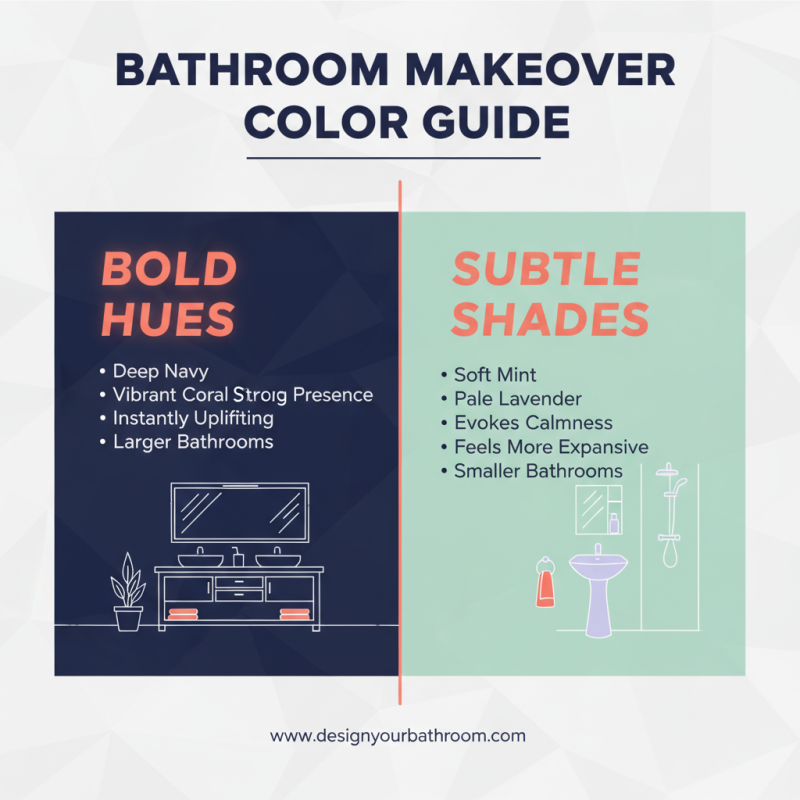
Bathroom makeovers are all about the colors you choose. Bold hues like deep navy and vibrant coral create a strong presence. They can instantly uplift the overall vibe of the space. Subtle shades, like soft mint or pale lavender, evoke calmness. These colors work well in smaller bathrooms. They can make the area feel more expansive.
Consider the balance between bold and subtle. Too many vibrant colors can clash. It might overwhelm the senses. Instead, use bold colors as accents. A vibrant shower curtain or a colorful rug can provide a pop of color. Subtle shades on the walls can create a serene backdrop. You might think it's perfect, but don’t rush the process. Reflect on how each color affects your mood.
Textures play a role as well. Glossy finishes can make bold colors shine even more. Matte surfaces offer a softer feel. Mixing textures can enhance the visual appeal. You could experiment with tiles, paint, and furniture. Each element adds depth to your bathroom. Remember, it’s not just about looks. Functionality still matters.