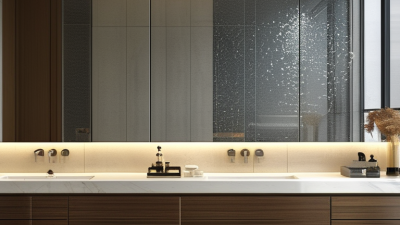
2026 Best Led Mirror Trends for Global Buyers to Consider?
As the demand for innovative home decor continues to rise, the Led Mirror market is evolving rapidly. According to industry expert Dr. Emily Carter, “Led Mirrors are not just mirrors; they’re a reflection of modern living.” This statement encapsulates the essence of why these mirrors are becoming essential in contemporary homes.
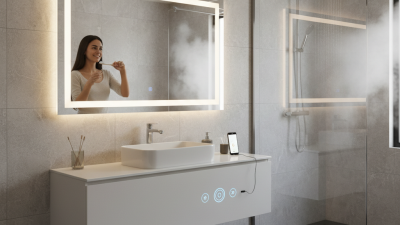
One key trend is the integration of smart technology. Many Led Mirrors now feature touch controls, adjustable brightness, and built-in Bluetooth speakers. This functionality enhances user experience and offers improved utility. However, buyers should be aware of potential concerns regarding durability and energy consumption. As the technology advances, some cheaper models may not be reliable long-term.
Additionally, the aesthetic appeal of Led Mirrors is undeniable. They transform any space, adding a sense of luxury and style. Yet, not all designs cater to every taste. Consumers must critically evaluate their choices to find mirrors that enhance their home’s overall look. With careful consideration and insight, the right Led Mirror can greatly enhance both functionality and visual appeal.
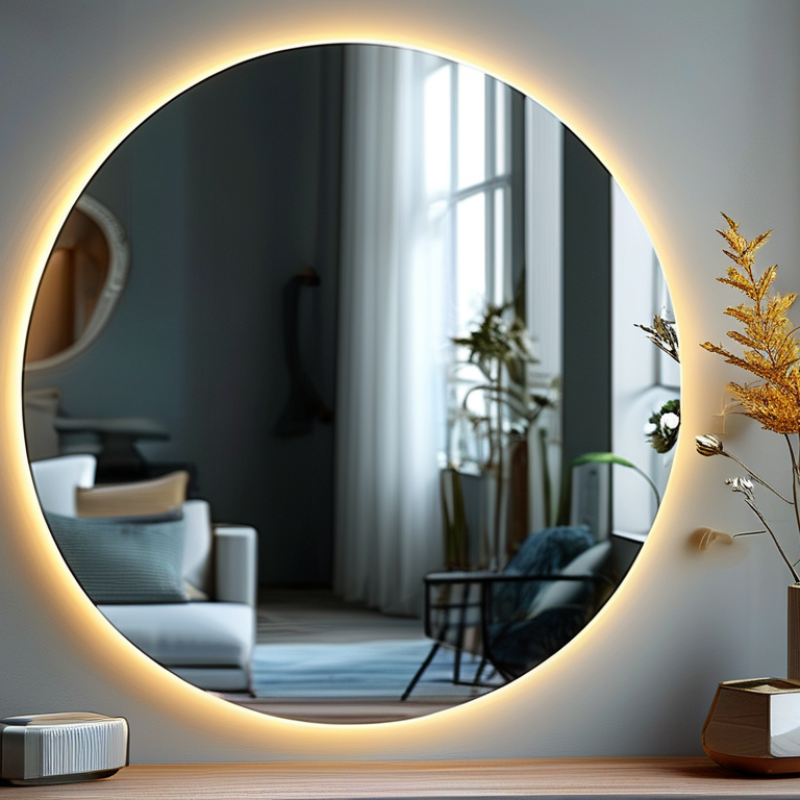
Current LED Mirror Innovations and Technologies for 2026
The LED mirror market is evolving rapidly. Innovations for 2026 promise to enhance user experience. Smart technology is at the forefront. Mirrors now integrate voice commands and touch screen capabilities. Users can adjust brightness and color temperature easily.
Many designs focus on energy efficiency. LED mirrors consume less power than traditional lighting. This is an important consideration for eco-conscious buyers. Additionally, some mirrors include anti-fog technology. Users can enjoy a clear reflection even in humid environments. This adds a layer of convenience often overlooked.
Another trend is aesthetic customization. Buyers can choose from various frame styles. Some mirrors even allow users to personalize light settings through apps. However, there are challenges. Not all innovations may be user-friendly. Some features might confuse less tech-savvy individuals. Evaluating personal needs is crucial before purchasing. With so many options, it’s vital to find the balance between functionality and simplicity.
Popular LED Mirror Styles and Designs for Global Consumers
In the world of interior design, LED mirrors are a growing trend for homeowners and designers alike. These mirrors offer functionality along with aesthetic appeal. According to a recent industry report, the demand for LED mirrors has increased by 25% over the past three years. Consumers appreciate the dual benefits of enhanced lighting and modern design.
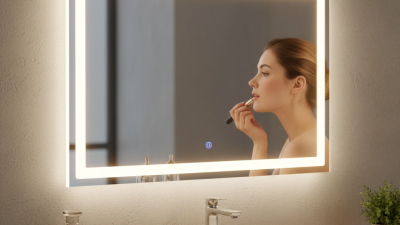
Popular designs include frameless mirrors, which create a sleek look that fits various decors. Backlit mirrors are also trending. They provide ambient lighting, ideal for grooming tasks. Furthermore, smart mirrors with touch controls and temperature settings are capturing attention. They reflect a shift toward innovative products in home decor. However, as the market expands, higher demand can lead to quality inconsistencies.
Despite their popularity, consumers should be cautious. Not all LED mirrors maintain the same standards of durability or functionality. Reports indicate that installation issues arise from poorly constructed products. While features such as dimming and color temperature adjustments are enticing, some consumers have found these functions unnecessary. Reflecting on these aspects can help buyers make informed decisions.
2026 Best Led Mirror Trends for Global Buyers to Consider
| Style |
Design Features |
Size Options (inches) |
Color Temperature (Kelvin) |
Price Range ($) |
| Modern Frameless |
Smooth edges, Backlit |
24, 30, 40 |
3000K - 6000K |
150 - 350 |
| Vintage Round |
Antique finish, Decorative frame |
25, 35 |
2700K - 3000K |
100 - 250 |
| Smart LED |
Voice control, Touch sensor |
24, 36, 48 |
4000K - 6000K |
200 - 500 |
| Minimalist Rectangular |
Sleek design, LED dimmer |
30, 40, 60 |
3000K - 5000K |
180 - 400 |
| Artistic Framed |
Customizable artwork, Colorful lighting |
32, 42 |
3500K - 5500K |
250 - 600 |
Sustainable Materials and Eco-Friendly Options in LED Mirrors
The trend towards sustainability in the LED mirror industry is growing rapidly. According to a recent report, about 70% of consumers prefer products made from eco-friendly materials. This statistic highlights the demand for mirrors that not only provide functionality but also support environmental consciousness. Many buyers now seek options that integrate recycled materials. Using sustainable resources often results in reduced carbon footprints.
LED mirrors made from sustainable materials may include reclaimed wood or recyclable metals. These choices help minimize waste and promote a circular economy. It's essential for manufacturers to focus on sourcing and production processes that align with eco-friendly standards. However, some challenges remain. Quality control can suffer when using alternative materials. There’s also a limited availability of certain sustainable options, which may lead to increased costs.
The public wants transparency too. Buyers need to know the origins of the materials used. Brands that disclose their practices can build trust with their customers. The future of LED mirrors is not just about aesthetics but also about how they impact the planet. While progress is evident, the industry must continue to innovate and refine its approaches.
Key Features and Functions to Look for in 2026 LED Mirrors
When choosing LED mirrors in 2026, buyers should focus on key features that enhance usability and style. Look for mirrors that offer adjustable brightness settings. This feature allows users to customize the lighting based on their needs. Whether applying makeup or shaving, proper lighting is crucial. Additionally, consider mirrors with built-in smart technology. Voice activation or touch controls can simplify everyday tasks.
Another important aspect is the mirror's design. A sleek, frameless design can fit nicely in modern bathrooms. Conversely, ornate frames can add a touch of elegance to traditional spaces. Consider the size as well. A larger mirror can create an illusion of space, especially in smaller rooms.
Water resistance is another practical feature to evaluate. Mirrors that can withstand humidity will last longer. Some handy models even come with anti-fog technology, perfect for post-shower use. While many mirrors boast these features, not all deliver on reliability. Do thorough research and consult reviews before making a decision. A great LED mirror combines style, function, and durability, but finding the perfect fit may require some trial and error.
Buying Tips: Pricing, Brands, and Where to Purchase LED Mirrors
When considering LED mirrors, buyers should focus on pricing, brands, and where to purchase. The average price of LED mirrors ranges from $100 to $500. This wide range often reflects quality, size, and technology. Features such as touch controls, color temperature adjustment, and anti-fog functions can significantly influence prices. Budget-conscious consumers may find basic models suitable, while high-end options offer enhanced aesthetics and functionality.
Brands play a pivotal role in purchase decisions. Studies indicate that established brands often have higher customer satisfaction rates. A survey shows that 65% of consumers prefer buying from trusted names. However, new entrants in the market are also gaining traction. They often provide competitive prices and innovative designs. Reviews and ratings can guide purchases, helping buyers discern quality and features.
Buyers can explore various retail channels. Online platforms offer convenience and a wider selection. Reports indicate that e-commerce sales of home decor items, including LED mirrors, have increased by 20% annually. Local hardware and home improvement stores also stock a range of LED mirrors. Visiting physical stores allows for hands-on experience, which can help in assessing the mirror's quality. However, relying solely on online reviews may lead to expectations that differ from reality. Always cross-check information from multiple sources.