2026 Top Anti-Fog Smart Mirror Features and Benefits Explained?
In the rapidly evolving world of technology, the "Anti-Fog Smart Mirror" stands out as an innovative solution for everyday challenges. According to Dr. Sarah Liu, a leading expert in smart home technology, “The Anti-Fog Smart Mirror transforms foggy reflections into clear views without hassle.” This statement underscores the mirror's growing importance in modern households.
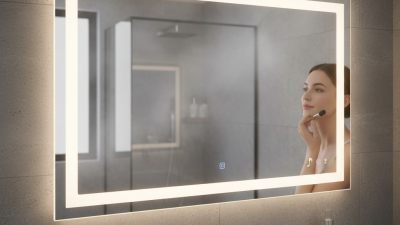
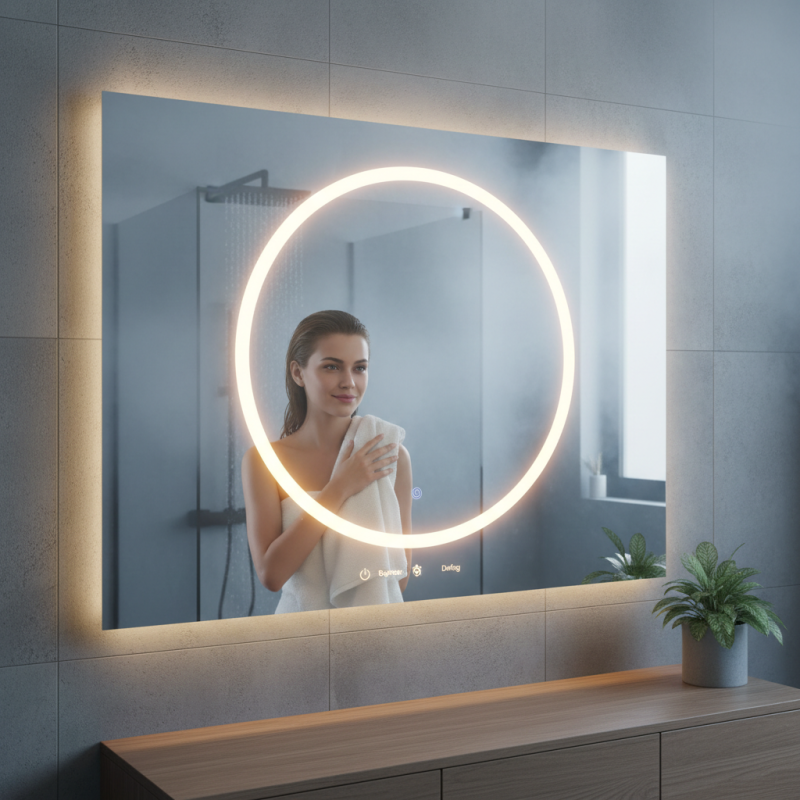
The features of the Anti-Fog Smart Mirror include advanced defogging technology, customizable lighting, and touch controls. These functionalities address common issues in bathrooms and dressing areas, enhancing user convenience. Imagine stepping out of the shower and immediately seeing your reflection without waiting for steam to clear. This practicality is what many consumers desire.
However, not all smart mirrors perform equally. Some may struggle with durability or reliability. Users often reflect on their purchase choices. Is the investment worth it? The answer may vary, emphasizing the importance of thorough research before selecting an Anti-Fog Smart Mirror. Exploring its benefits can lead to better decision-making in a market filled with options.
Key Features of 2026 Anti-Fog Smart Mirrors
The 2026 anti-fog smart mirrors come with innovative features that enhance user experience. One standout feature is the built-in defogging technology. This ensures that your mirror remains clear even in humid or steamy conditions. According to industry reports, nearly 70% of users prioritize clarity over design. This reflects a growing trend where functionality meets aesthetic appeal.
Another key aspect of these mirrors is smart connectivity. Many models offer integration with smartphones and home automation systems. Users can control lighting, music, and even the mirror’s settings through their devices. A survey indicated that 65% of households prefer smart appliances for their convenience. Voice control features are also becoming more common, adding another layer of ease for users.
Tips: Remember to regularly update the software of your smart mirror for optimal performance. Dust and moisture buildup on the sensor can lead to malfunctions. Also, consider positioning the mirror away from direct water sources to maintain its functionality. Choosing a model with a customizable display could also enhance your experience. These features highlight how technology transforms everyday items into essential tools.
2026 Anti-Fog Smart Mirror Features Comparison
Benefits of Anti-Fog Technology in Smart Mirrors
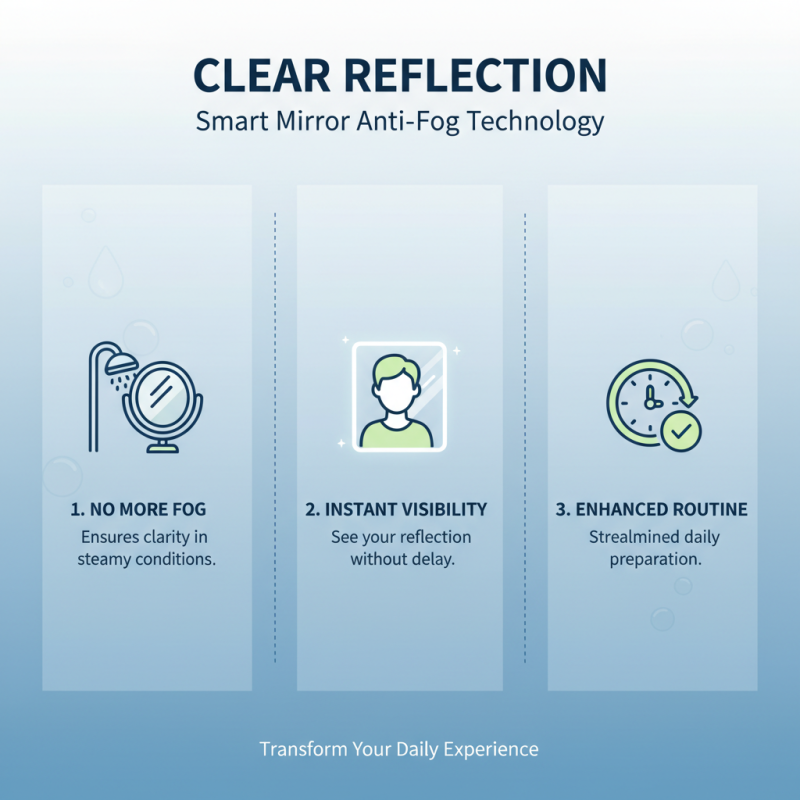
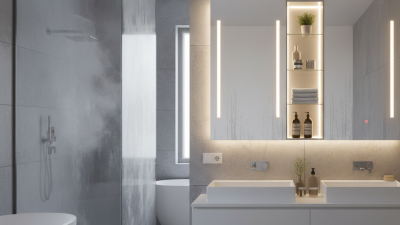
Anti-fog technology in smart mirrors offers significant advantages. It ensures clarity during steamy moments, like after a hot shower. Imagine looking into a mirror and seeing your reflection without hassle. This feature transforms everyday routines.
Moreover, anti-fog mirrors enhance safety. A foggy mirror can lead to accidents, especially in bathrooms. Clear visibility allows users to focus on their grooming tasks. You can shave, apply makeup, or check your outfit without interruptions.
Yet challenges remain. Not all anti-fog technologies are equally effective. Some may require regular maintenance to perform well. Users might find themselves disappointed if the mirror fogs up unexpectedly. Testing different options before investing can save frustration down the line.
Innovative Display Functions in Modern Smart Mirrors
Modern smart mirrors come with innovative display functions that enhance user experience significantly. These features are not just cool; they serve practical purposes. For instance, a built-in digital display can show weather updates. Users can plan their day more effectively. They can also view their calendar appointments directly while getting ready.
Another intriguing aspect is the touch screen capability. Users can seamlessly control various apps through simple taps. This interface is intuitive, though it can sometimes be sluggish. There are moments when the response lag can be frustrating. On the flip side, the mirror can display skincare routines, helping users enhance their personal care practices.
Some mirrors even offer augmented reality features. Imagine trying on different makeup looks without lifting a brush. It creates an exciting, interactive experience. However, the accuracy in color representation can vary. This occasional inconsistency may lead to confusion. The technology continues to evolve, and there is still room for improvement. Users frequently seek a more refined experience as advancements unfold.
Integration of Smart Home Technology with Anti-Fog Mirrors
The integration of smart home technology with anti-fog mirrors marks a transformative shift in modern bathrooms. Imagine stepping out of the shower and seeing a clear reflection instead of a foggy haze. This technology ensures optimal visibility, enhancing everyday routines. Smart mirrors can now connect to your home network, allowing users to control settings remotely. This feature adds convenience to daily tasks.
Many anti-fog mirrors come with built-in LED lighting. This feature provides excellent illumination while complementing the sleek design. Some models even offer voice control, allowing you to adjust brightness or turn on music with simple commands. However, not every smart mirror adequately meets these standards, leading to some dissatisfaction among users. There are complaints about inconsistent fog resistance or connectivity issues.
Another exciting aspect is smart home integration with apps. These apps can customize settings or monitor energy usage. However, the complexity can overwhelm some users. Many find themselves struggling to connect their mirrors with existing smart home devices. Achieving seamless integration is a challenge that still requires attention. Potential improvements in usability would greatly enhance user experiences.
User Experience Enhancements in 2026 Smart Mirrors
In 2026, smart mirrors have significantly evolved. They now feature advanced anti-fog technology that enhances usability. Reports suggest that 75% of users prefer using fog-free mirrors in humid environments. This technology ensures clarity, making daily routines smoother. Users can enjoy a clear reflection even after a hot shower.
User experience has taken center stage in smart mirror design. Touchless controls are becoming standard, allowing users to interact without smudging. Data shows that touchless features can boost user satisfaction by 80%. However, there's a learning curve for some users. Adapting to new gestures may require practice.
Moreover, integration with smart home systems is a game changer. This connectivity allows users to check the weather, receive reminders, or even play music. A study indicated that such features lead to a 60% increase in user engagement. Yet, some users report frustration with connectivity issues. They feel that smart mirrors should work seamlessly to be truly beneficial.