Top Bathroom Furniture Trends in China for Global Buyers?
The bathroom furniture market in China is evolving rapidly. Recent reports indicate that the market is projected to grow by 15% annually. Global buyers are keen to understand these trends. Industry expert John Huang notes, "Innovation in bathroom furniture design is reshaping how consumers view personal space." This sentiment underscores the growing importance of aesthetics and functionality in this sector.
In particular, eco-friendly materials are gaining traction among consumers. As sustainability becomes a priority, manufacturers are responding with greener products. However, not all companies are keeping pace with these changes, leading to a perception of inconsistency in offerings.
Additionally, smart technology integration is on the rise. Many modern bathroom setups now feature advanced lighting and water-saving systems. While this trend is exciting, it also raises questions about user-friendliness. The vast array of options can overwhelm buyers, making it difficult to choose the right products. Hence, while innovations abound, some aspects still require careful consideration.
Emerging Trends in Bathroom Furniture Design in China
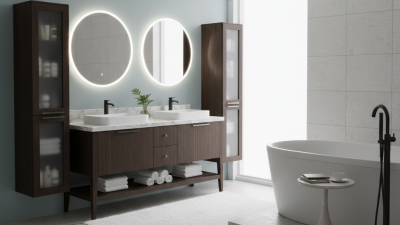
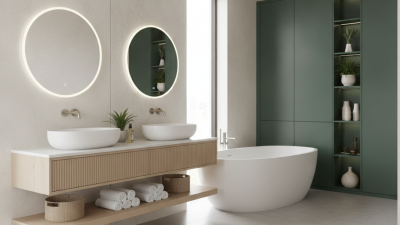
The bathroom furniture market in China is witnessing exciting trends. One notable shift is the move towards minimalist designs. Many consumers prefer sleek, functional pieces that maximize space while offering aesthetic appeal. This trend reflects a growing emphasis on decluttering and creating serene environments.
Sustainability is another key focus. More manufacturers are using eco-friendly materials. Bamboo and recycled products are gaining traction, appealing to the environmentally conscious buyer. This shift is not just a trend; it represents a larger movement towards sustainable living.
However, there are challenges in this evolving landscape. Many brands struggle to balance style and functionality. Creating durable yet attractive furniture can be complex. Additionally, cultural preferences vary greatly across regions in China. Understanding these nuances is essential for global buyers. Engaging with local designers may provide valuable insights into regional aesthetics and usage patterns.
Top Bathroom Furniture Trends in China for Global Buyers
| Trend |
Description |
Material Used |
Color Palette |
Target Demographic |
| Minimalist Designs |
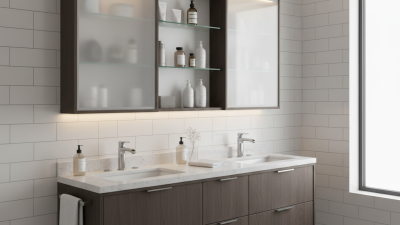
Focus on clean lines and simplicity to create a calm atmosphere. |
Bamboo, glass |
White, neutral tones |
Young professionals |
| Vintage Reproduction |
Inspired by classic styles from the 40s and 50s. |
Wood, ceramic |
Pastel colors |
Middle-aged consumers |
| Smart Technology Integration |
Bathrooms equipped with IoT devices for enhanced functionality. |
Plastic, metal |
Sleek silver, black |
Tech-savvy individuals |
| Sustainable Materials |
Use of eco-friendly materials to promote sustainability. |
Recycled wood, bamboo |
Earthy tones |
Environmentally conscious consumers |
| Luxury Features |
High-quality finishes and fixtures for an upscale look. |
Marble, chrome |
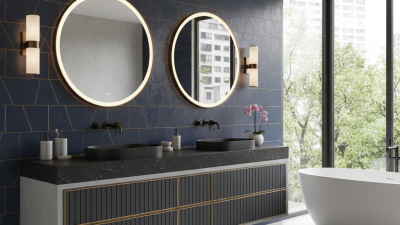
Deep blues, gold |
Affluent homeowners |
Stylish Materials and Finishes Dominating the Market
The bathroom furniture market in China is evolving rapidly. Stylish materials and finishes dominate this shifting landscape. According to a recent report from Statista, the Chinese bathroom furniture market is expected to grow at a CAGR of 8.5% from 2021 to 2026. This growth reflects a strong consumer demand for innovative designs and high-quality materials.
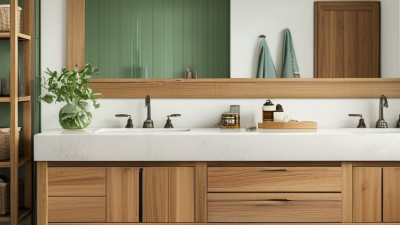
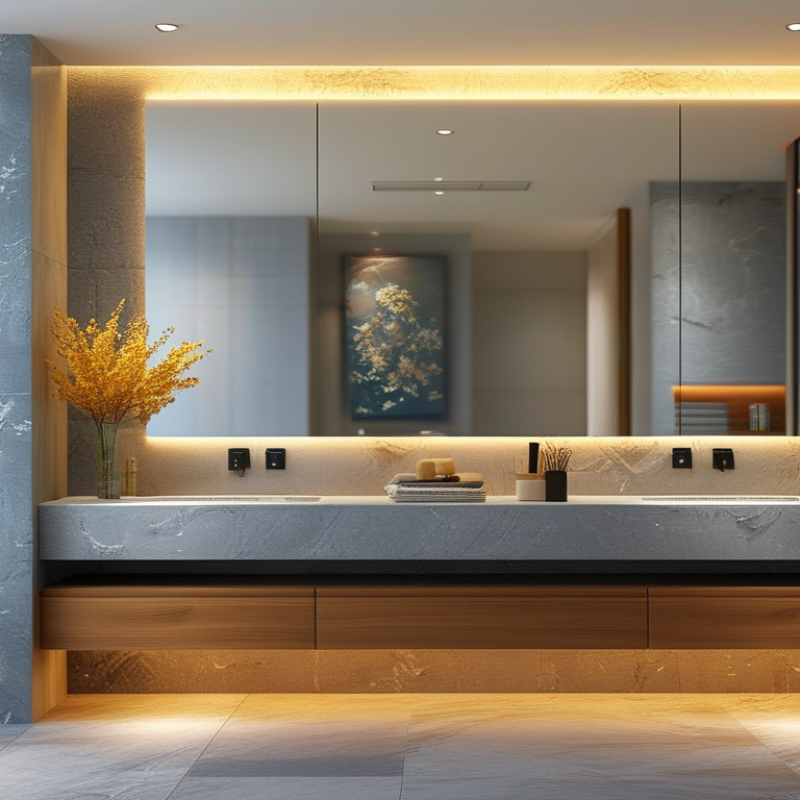
Natural materials such as wood and stone are trending. These materials add warmth and elegance to bathrooms. However, the maintenance of such finishes can be challenging. For instance, wood can warp in humid conditions. Consumers must balance style with practicality. Additionally, eco-friendly options are gaining popularity. Bamboo and recycled materials offer sustainability but can sometimes lack durability.
Innovative finishes, like matte or textured surfaces, are also in vogue. These finishes provide a unique aesthetic, but they may show fingerprints or water spots more easily. As buyers navigate these choices, they must consider both visual appeal and functionality. Reports show that nearly 45% of buyers prioritize aesthetic over durability, a choice that could lead to future regrets. The challenge remains to blend style and resilience effectively.
Top Bathroom Furniture Trends in China for Global Buyers
Functional Innovations for Modern Bathroom Spaces
The modern bathroom space has transformed. Functional innovations are at the forefront of design trends in China. Reports indicate that over 65% of consumers prioritize practicality when choosing bathroom furniture. With space often limited, solutions that maximize functionality are essential.
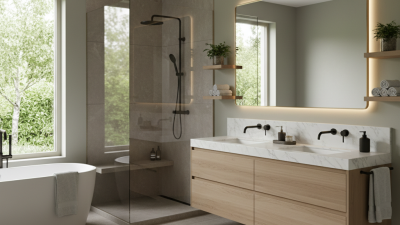
Smart storage options are increasingly popular. Wall-mounted shelves and cabinets create more floor space. Multi-functional furniture, such as vanities with hidden compartments, meets diverse needs. This reflects a growing demand for blendable style and utility. Research shows that 72% of buyers appreciate designs that save space while remaining aesthetically pleasing.
Tip: Consider modular furniture. It allows for customization and adapts easily to changing needs.
Incorporating technology is another trend. Touchless faucets and heated towel racks increase convenience. Safety features are also becoming a priority. Over 50% of respondents in a recent survey cited the importance of non-slip surfaces. This reflects a broader awareness of comfort and safety in bathroom design. However, the integration of these innovations can sometimes lead to increased complexity.
Tip: Ensure ease of use when selecting tech-enhanced products. Not all high-tech solutions are user-friendly for everyone.
Influence of Cultural Aesthetics on Bathroom Furniture Choices
Cultural aesthetics play a vital role in shaping bathroom furniture choices in China. Traditional Chinese design emphasizes harmony, balance, and nature. Natural materials like wood and stone are popular. They offer a connection to the outside world. Modern designs blend these elements with minimalism. This fusion creates a unique style that appeals to global buyers.
Colors also reflect cultural significance. Soft hues like jade green and sky blue evoke tranquility. In contrast, bold reds energize the space. Global buyers should consider these aesthetic elements when choosing furniture.
**Tips:** Choose furniture that complements cultural themes. Think about natural materials to create a calming atmosphere. Don't shy away from bold colors for accents. Seeking advice from local design experts can yield insightful perspectives. Strive for a balance between comfort and style in your selection. Always reflect on how your choices resonate with local culture.
Sustainable Practices in Chinese Bathroom Furniture Manufacturing
In recent years, sustainable practices have emerged as a cornerstone in the manufacturing of bathroom furniture in China. Many manufacturers are adopting eco-friendly materials and innovative technologies to reduce waste. Bamboo and recycled wood are gaining popularity as alternatives to traditional materials. These choices not only minimize environmental impact but also enhance product quality.
One notable trend is the use of water-based paints and adhesives. These products reduce harmful emissions, making the production process safer for workers. Manufacturers are also focusing on energy-efficient production methods, which cut down on electricity use and greenhouse gas emissions. While these practices are commendable, there is still much room for improvement.
Tips: When exploring bathroom furniture options, consider those made with sustainable materials. Always ask about the manufacturing processes and certification standards. A little research can reveal a brand’s commitment to sustainability, which benefits both you and the planet.