Why Choose a Smart Mirror for Your Home or Business?
In recent years, the Smart Mirror industry has gained significant attention. Experts highlight the transformative potential of this technology. Dr. Emily Chen, a leading expert in smart home innovations, stated, "Smart Mirrors are not just reflective; they reflect our lifestyle choices." This insight underscores the relevance of Smart Mirrors in both home and business environments.
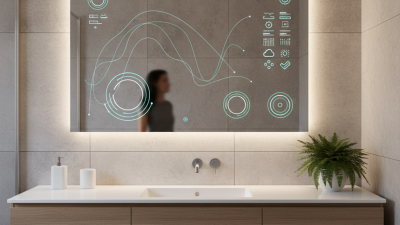
Smart Mirrors offer functionality beyond mere reflection. They integrate digital displays, providing information about the weather, news, and personal schedules. These mirrors enhance the daily routine. In a business setting, they can improve customer engagement through interactive displays. However, some users may wonder about privacy concerns with such technology. Reflecting on this, a balance between convenience and security is essential.
Moreover, the design of Smart Mirrors can be a double-edged sword. While they can stylishly fit into various interiors, novice users might struggle with their setup and functionalities. This highlights a learning curve that new adopters should consider. Ultimately, Smart Mirrors pave the way for smarter living, blending aesthetics with advanced technology. Their impact is undeniable, yet users must navigate their challenges thoughtfully.
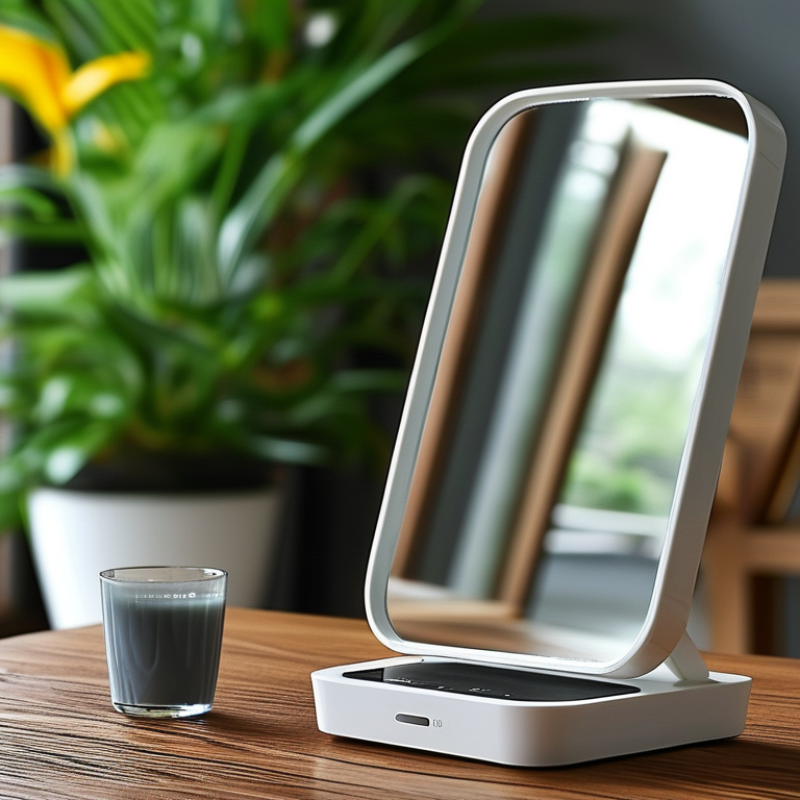
Benefits of Smart Mirrors for Home Use
Smart mirrors are transforming how we interact with our environment at home. With the global smart mirror market projected to reach $3 billion by 2026, their popularity is surging. These devices blend style and functionality, appealing to tech-savvy individuals and families alike. They can display vital information like news, weather, and calendar events. However, there remains a challenge in seamlessly integrating these features into daily routines.
Homeowners can benefit substantially from using smart mirrors. They enhance morning routines by allowing users to check their schedules while getting ready. According to a recent report by Statista, 60% of consumers are more likely to use smart technology that simplifies daily tasks. For families, this means a more organized and efficient home environment. On the flip side, users sometimes face issues with connectivity and software updates, necessitating ongoing attention to maintain usability.
Moreover, smart mirrors can significantly impact wellness routines. They can provide real-time feedback on posture, exercise, and even skincare. A survey indicated that 70% of respondents showed interest in using technology to improve their health. Yet, it is important to be aware of privacy concerns, as these devices can collect personal data. Balancing functionality with security remains an area for improvement as smart mirrors become more prevalent in homes and businesses.
Benefits of Smart Mirrors for Home Use
Advantages of Smart Mirrors in Commercial Settings
Smart mirrors are transforming commercial spaces, enhancing the customer experience significantly. These innovative devices blend functionality with style, making them ideal for various businesses. In retail, smart mirrors allow customers to try on clothes virtually. They can even suggest accessories based on the chosen outfit. This technology not only saves time but also makes shopping more interactive and fun.
In hospitality settings, smart mirrors can display information like weather, news, or promotional materials. Guests can see important updates while getting ready. This creates a more engaging atmosphere. However, these devices can sometimes be challenging to integrate with existing systems. Businesses need to consider their infrastructure to maximize the benefits.
Moreover, smart mirrors require ongoing maintenance and updates. Businesses must ensure they offer a seamless user experience. Investing in smart mirrors can elevate a commercial space, but it's essential to weigh the advantages against potential challenges. Proper planning is crucial for reaping the rewards of this technology.
Key Features of Smart Mirrors to Consider
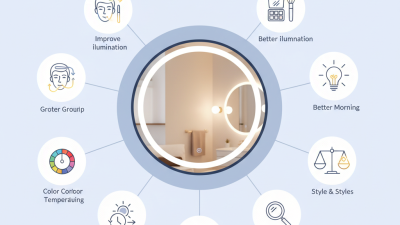
When considering a smart mirror, several key features can enhance your experience at home or in business. One important aspect is the display quality. A high-resolution screen provides clear visuals, making it useful for seeing details while applying makeup or for video conferencing. Touch controls make navigation easier as well. It gives a modern touch to traditional mirrors.
Connectivity is another essential feature. Smart mirrors often connect to Wi-Fi, allowing users to access weather updates, news, and social media. This integration can streamline morning routines or assist in business environments. Some mirrors have voice command functions, providing hands-free control.
However, not every smart mirror is user-friendly. Some may have complicated setups that deter usage. Consider the placement, as reflections can be misleading in certain lighting. Adjustability is crucial too, since a poorly positioned mirror can affect its functionality. It’s beneficial to explore several options, noting their pros and cons before making a choice.
How Smart Mirrors Enhance Daily Routines and Tasks
Smart mirrors are becoming essential in modern homes and businesses. They enhance daily routines by integrating technology into our reflection. According to a report by MarketsandMarkets, the smart mirror market is projected to reach $4.9 billion by 2025, showing how quickly this technology is developing. These mirrors can display the weather, notifications, or even your calendar, making mornings more efficient.
Consider your typical routine. You wake up, prepare for the day, and often check your phone for updates. A smart mirror can streamline this by presenting relevant information while you get ready. Some reports suggest users save around 15 minutes daily by using a smart mirror. That adds up to significant time over a week or month.
However, there are challenges to consider. Not all smart mirrors offer the same functionality. Some may lack integration with existing smart home devices, making them less useful. Additionally, users must cope with maintenance and software updates, which can be a burden. Balancing technology's benefits with its demands is crucial for a fulfilling experience.
Why Choose a Smart Mirror for Your Home or Business? - How Smart Mirrors Enhance Daily Routines and Tasks
| Feature |
Description |
Benefits |
| Weather Updates |
Displays real-time weather forecasts and alerts. |
Helps you plan your day accordingly. |
| Calendar Integration |
Syncs with your calendar to show upcoming appointments. |
Keeps you organized and on schedule. |
| Personal Assistant Features |
Voice controls to manage tasks and queries. |
Increases efficiency in daily routines. |
| Fitness Tracking |
Monitors health metrics and workout stats. |
Encourages a healthy lifestyle through tracking. |
| Smart Home Control |
Control lights, temperature, and other smart devices. |
Enhances convenience and energy efficiency. |
Comparative Analysis: Smart Mirrors vs. Traditional Mirrors
In today's market, smart mirrors are gaining traction for their innovative features and capabilities. Industry reports indicate that the global smart mirror market is projected to reach $4.5 billion by 2026, growing at a CAGR of 11.5%. This growth is driven by increasing demand in both residential and commercial settings.
Unlike traditional mirrors, smart mirrors integrate technology to offer functionality beyond reflection. They can display information such as weather updates, news, and calendar reminders. A study by the Consumer Technology Association found that 70% of users preferred smart mirrors for their interactive abilities. Yet, the high cost remains a barrier for wider adoption.
There are merits to consider when choosing between these two types. Traditional mirrors provide simplicity and reliability. They do not require power or software updates. However, they lack the advanced features offered by smart mirrors. User experiences report that while smart mirrors enhance daily routines, potential glitches can occur. Balancing utility and cost is key when deciding which option best fits your lifestyle.