Best Copper Free Glass for Sustainable Building Solutions?
The demand for sustainable building solutions is rising. More architects and builders are seeking alternatives that reduce environmental impact. One such solution is Copper Free Glass. This innovative material offers a sustainable option for modern constructions. According to a report by MarketsandMarkets, the global copper-free glass market is projected to reach $1.5 billion by 2025, reflecting a significant shift in industry preferences.
Expert Dr. Emily Carter, a leading figure in materials science, emphasizes the importance of this shift. She noted, “Copper Free Glass not only minimizes ecological damage but also enhances energy efficiency.” This highlights the growing recognition of its benefits in sustainable design.
Despite its advantages, the transition to Copper Free Glass is not without challenges. Cost is often identified as a barrier. Each project requires careful budget assessments. However, the long-term savings and environmental benefits often outweigh the initial investment. Industry professionals must weigh both the advantages and obstacles to fully embrace this sustainable solution.
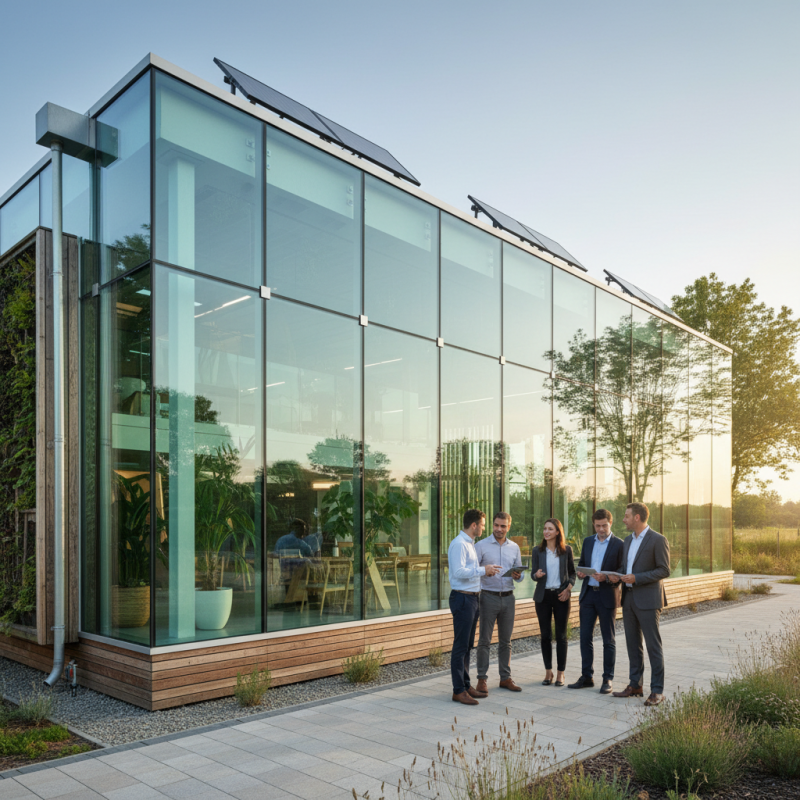
Best Copper Free Glass for Sustainable Building Solutions: An Overview
In recent years, sustainable building solutions have gained significant attention. One innovative approach involves the use of
copper-free glass. This type of glass not only minimizes environmental impact but also provides unique aesthetic and functional benefits.
Copper-free glass offers superior clarity and thermal control. Without copper, these glasses resist tarnishing and corrosion, making them durable and long-lasting. They are ideal for various architectural applications, from residential homes to commercial buildings.
However, the production process can be energy-intensive, raising questions about overall sustainability.
Moreover, many designers are still learning how to effectively incorporate copper-free glass into their projects. It requires careful consideration of the building’s energy efficiency and design coherence. Additionally, as this material becomes more popular, the industry must address how to maintain quality while scaling production. Balancing these aspects remains a challenge in the pursuit of sustainable practices.
Benefits of Using Copper Free Glass in Sustainable Architecture
Copper free glass is gaining traction in sustainable architecture. Its production process generates fewer harmful emissions, making it an environmentally friendly choice. This type of glass eliminates copper, reducing the risk of water pollution during its lifecycle. Additionally, it offers excellent thermal insulation. Buildings use less energy for heating and cooling when equipped with copper free glass.
Beyond its environmental benefits, copper free glass promotes healthier indoor environments. It helps reduce the release of toxic substances, resulting in cleaner air quality. This glass also allows for greater design flexibility. Architects can create modern aesthetic choices while still being mindful of sustainability.
However, it is important to consider the entire supply chain. Sourcing materials responsibly poses challenges. The overall cost can be higher compared to traditional glass options. Awareness of these factors is crucial for stakeholders. Balancing sustainability with practicality requires ongoing reflection and assessment.
Environmental Impact of Traditional vs. Copper Free Glass Production
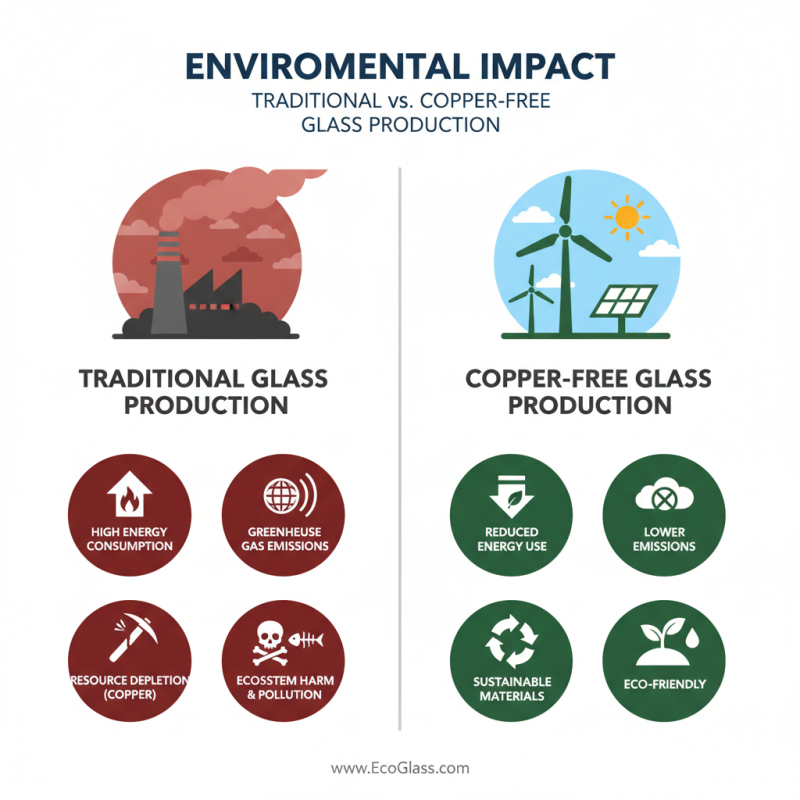
The environmental impact of traditional glass production is significant. It often involves high energy consumption and greenhouse gas emissions. Traditional methods utilize copper, leading to resource depletion and pollution. This process can harm ecosystems and contribute to climate change.
Copper-free glass offers a sustainable alternative. It utilizes less energy and reduces emissions, promoting a healthier environment. The production processes usually require fewer toxic materials, which minimizes waste. However, challenges remain. The technology is not yet widespread, limiting availability. There are concerns about long-term durability compared to traditional glass.
Adopting copper-free glass demands a shift in mindset. Architects and builders must weigh the benefits against potential drawbacks. While it is an innovative solution, ongoing research is needed to improve quality and performance. Collaboration between manufacturers and environmental experts could enhance the production process, ensuring a more sustainable future for building materials.
Key Industry Standards and Certifications for copper free Glass Products
When considering sustainable building solutions, copper-free glass has emerged as a significant player. However, it's critical to acknowledge the standards and certifications that ensure these products meet industry benchmarks. Certifications, such as ISO 14001 for environmental management, provide a framework for glass manufacturers to enhance their sustainability practices. Compliance with these standards signifies a commitment to reducing environmental impact.
Quality marks from authoritative organizations further bolster the credibility of copper-free glass. Look for certifications like the Cradle to Cradle Certified™ mark. This designation evaluates the safety and environmental impact of materials across their lifecycle. It encourages innovation and sustainable practices in production. Such certifications not only enhance marketability but also assure customers of their contribution to greener building solutions.
Navigating the complex world of industry standards can be challenging. Many manufacturers may not fully understand the implications of compliance. A lack of transparency in reporting can hinder progress in sustainability. It's vital for industry stakeholders to advocate for clarity and better practices. Engaging in dialogue about these standards can drive improvement in the sector and lead to more reliable, sustainable options for construction.
Best Copper Free Glass for Sustainable Building Solutions
Market Trends and Future Prospects for Copper Free Glass in Construction
The market for copper-free glass is rapidly evolving. This shift aligns with the increasing focus on sustainability in construction. As environmental concerns rise, builders and architects seek greener materials. Copper-free glass offers an eco-friendly alternative. It reduces the reliance on metals that can harm the environment. This change promotes cleaner production methods in the glass industry.
Emerging trends indicate a growing demand for this innovative glass. Many construction projects aim for LEED certification. Copper-free glass can contribute significantly to these goals. It enhances the energy efficiency of buildings and reduces overall carbon footprints. However, challenges remain. Not all stakeholders are familiar with its advantages. Educating them is crucial.
There’s an ongoing debate about cost versus benefit. Initially, copper-free glass may appear more expensive. Long-term savings, however, can justify the initial investment. The market needs more research and development. This can aid in overcoming production barriers and improving quality. The future of copper-free glass in construction looks promising, but further exploration is essential.