What is Copper Free Glass and Why is it Important in China?
Copper Free Glass is an innovative material gaining traction in China. As the country focuses on sustainable practices, this glass type becomes crucial. With low environmental impact and recyclable properties, Copper Free Glass supports both industry and ecological goals.
In traditional glass production, copper presents challenges. It can affect clarity and durability. People in the industry recognize these issues, making Copper Free Glass a valuable solution. This material prevents problems like discoloration and corrosion, enhancing product longevity.
China's market demands high-quality materials for various applications. From electronics to construction, Copper Free Glass meets these needs. However, awareness remains limited. Continuous education on its benefits is essential. As companies explore green technologies, embracing Copper Free Glass could drive the industry forward.
Understanding Copper Free Glass: Definition and Composition
Copper free glass is gaining attention for its unique properties and applications. Its definition revolves around the absence of copper oxide, which is commonly found in traditional glass formulations. This absence significantly changes the glass's characteristics. For example, copper free glass boasts superior clarity and color fidelity. These qualities make it an appealing choice for various industries, including construction and design.
Compositionally, copper free glass is primarily made from silica and other materials like sodium carbonate. The elimination of copper lowers the risk of discoloration over time. It allows for better light transmittance, enhancing visual appeal. However, producing copper free glass can be challenging. The manufacturing process demands precise control over raw materials and melting temperatures. This complexity can lead to higher production costs, posing a potential barrier for some manufacturers.
In China, the demand for copper free glass is on the rise, driven by an emphasis on sustainability. As industries seek eco-friendly materials, this glass type aligns well with green building initiatives. Yet, not all manufacturers have access to the latest technology for its production. There's a gap in expertise that needs to be addressed. As the market for copper free glass grows, the need for skilled professionals will be crucial in meeting evolving demands.
The Environmental Impact of Copper in Traditional Glass Production
The environmental effects of copper in traditional glass production are significant. The melting process requires high temperatures, leading to increased energy consumption. As a result, carbon emissions rise, contributing to air pollution. Furthermore, copper can leach into water sources, harming aquatic life. This illustrates a need for more sustainable practices.
Copper in glass production also affects recycling efforts. Traditional glass containing copper can’t be easily recycled. This creates mountains of waste, worsening landfill issues. Many facilities face limitations in handling copper-containing glass, leading to inefficient recycling processes. The shift to copper-free glass can help alleviate these challenges.
Transitioning to copper-free glass brings several benefits. It requires lower energy levels during production. This change not only reduces carbon footprints, but also conserves resources. The environmental impact is significant. However, challenges remain in scaling up production and educating manufacturers. Discussions about these obstacles must continue to drive innovation.
The Benefits of Copper Free Glass in the Industry
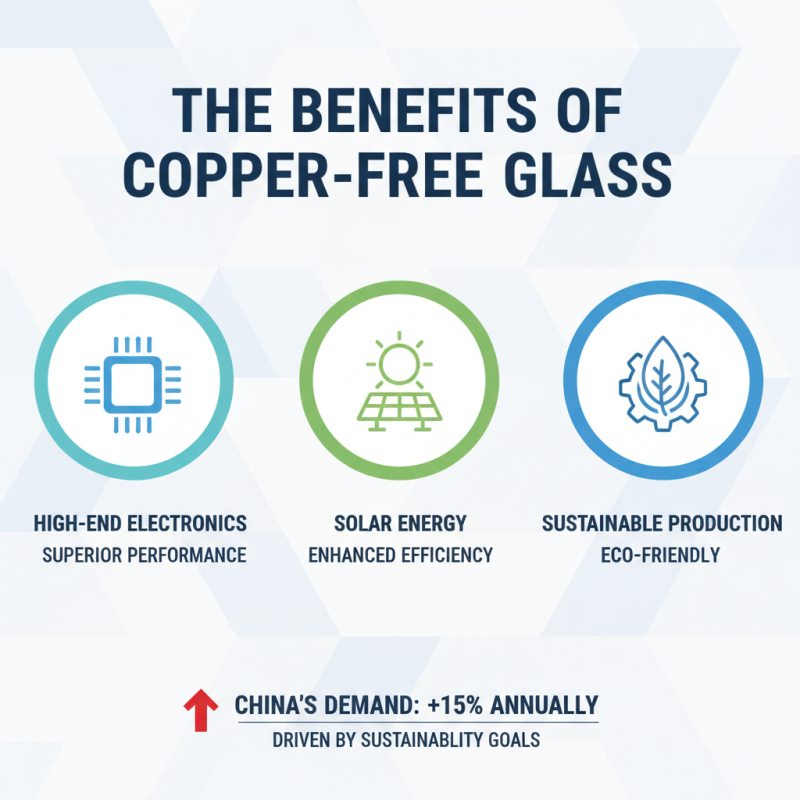
Copper free glass is gaining traction in various industries due to its significant benefits. This type of glass, free from copper oxides, is particularly relevant in high-end applications such as electronics and solar energy. In China, the demand for copper free glass is expected to grow by 15% annually. This rise aligns with the nation's push for sustainable production methods.
One of the main advantages of copper free glass is its superior clarity. According to a recent industry report, copper free glass can achieve light transmittance rates of over 90%. This transparency makes it ideal for solar panels, enhancing energy efficiency. Additionally, eliminating copper content reduces environmental impact. Reports indicate that using copper free glass can lower production CO2 emissions by approximately 30%.
However, the transition to copper free glass does present challenges. The manufacturing process can be more complex and costlier. Some manufacturers need to invest in new technology and training. Balancing quality improvements with production efficiency remains a critical concern. Overall, the benefits of copper free glass in reducing environmental impact and improving performance are clear, yet the industry must navigate the transition carefully.
Applications of Copper Free Glass in China
Copper free glass is gaining traction in various applications across China. This type of glass does not contain copper oxide, which enhances its clarity and durability. It is commonly used in architectural designs, automotive industries, and electronics.
In the architectural sector, copper free glass allows for high light transmission while retaining strength. Studies show that buildings using this type of glass can improve energy efficiency by up to 20%. In automotive applications, it is crucial for windshields and side windows as it reduces glare and increases visibility. This is especially important in urban settings with heavy traffic.
Tips: When considering copper free glass for projects, ensure proper sourcing. Reliable suppliers should meet quality standards, ensuring the glass's longevity and safety.
Another notable application is in the production of electronics. Copper free glass is used in screens and displays due to its ability to withstand different environmental impacts. Reports indicate that the demand for this glass in electronics is projected to grow by 15% annually. However, sourcing can be challenging, and quality control remains a concern in the industry. Always verify the manufacturer's specifications before purchasing.
Future Trends and Innovations in Copper Free Glass Technology
Copper free glass technology is gaining momentum in China. This innovation is crucial for reducing environmental impacts. Traditional glass production uses copper, which can lead to heavy metal contamination. A significant industry report predicts that the copper-free glass market will grow by over 15% annually. This growth reflects a shift towards sustainable production.
Key advancements are emerging in manufacturing processes. New methods enhance durability and aesthetic appeal without copper. Studies indicate that these methods can reduce energy consumption during production by up to 30%. This improvement aligns with China's commitment to green technology. Despite these benefits, challenges remain. Costs associated with developing copper-free glass are higher. This forces many manufacturers to reflect on their production strategies.
The market is also seeing innovations in applications. From construction to electronics, copper-free glass has diverse uses. Its lightweight and transparent properties make it ideal for modern architectural designs. However, the scaling of production remains a question. Companies must ensure quality control while increasing output. This balance could define the future of copper-free glass in the industry.
Growth of Copper Free Glass Adoption in China (2015-2025)
This chart illustrates the projected growth in the adoption rate of copper free glass technology in China from 2015 to 2025. The increasing trend highlights the importance of this technology in various industries, driven by environmental and health considerations.