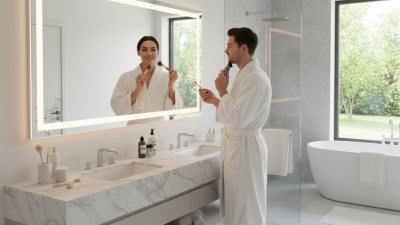
What is the Future of LED Smart Mirrors in 2026?
As we look toward 2026, the landscape of LED smart mirrors is set to evolve dramatically. Experts in the field, like Dr. James Patterson, emphasize the growing role of technology in our daily lives. He states, “LED smart mirrors will redefine how we interact with our environments.” This sentiment captures the excitement surrounding the future of LED smart mirrors.
In upcoming years, we are likely to see an increase in multifunctional features. These mirrors will not only reflect our image but also provide real-time data. Imagine a mirror that offers skincare advice while you prepare for your day. However, there are challenges ahead. Ensuring user privacy and data security is crucial. Many consumers may hesitate to embrace this technology due to these concerns.
The potential of LED smart mirrors extends beyond aesthetics. They could enhance well-being and promote healthy habits. Yet, we must reflect on the implications of such advancements on our lives. Balancing innovation with ethical considerations will be vital in shaping a responsible future for LED smart mirrors.
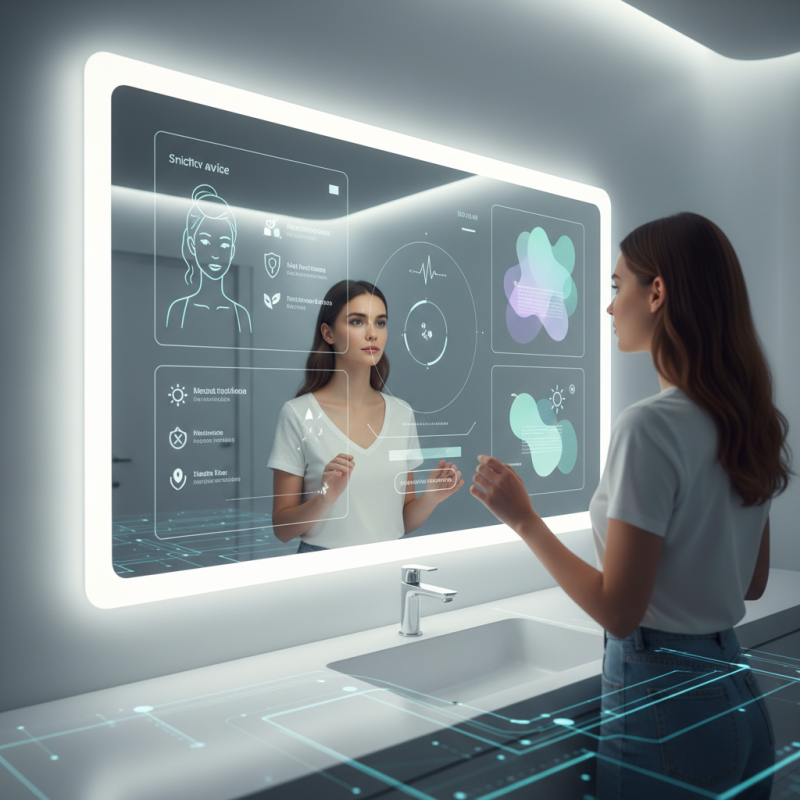
Future Technological Advancements in LED Smart Mirrors by 2026
The future of LED smart mirrors looks promising as we approach 2026. Advances in technology will enhance user experience significantly. Smart mirrors may integrate with AI, providing personalized daily routines. Imagine a mirror that offers tailored skincare tips based on your complexion or even lighting adjustments for makeup application.
Tips: Consider the installation location of the mirror. Proper lighting is essential for optimal use. An intelligent mirror can adjust the brightness and color of lights automatically. This feature can be particularly useful during different times of the day.
Interactive features will likely expand too. Many LED smart mirrors will incorporate augmented reality. This innovation could allow users to visualize outfits and hairstyles instantly. Yet, these technologies may also raise privacy concerns. Users need to assess how data is handled.
Tips: Stay aware of privacy settings. Ensure you understand what data is collected by your smart mirror. A well-informed user can balance convenience and confidentiality effectively.
Potential Applications of LED Smart Mirrors in Daily Life
LED smart mirrors are set to transform daily life by 2026. These devices integrate advanced technology into everyday routines. Imagine a bathroom mirror displaying your schedule while you brush your teeth. A study by Statista shows that the smart mirror market will grow to over $5 billion by 2026, indicating broad consumer interest.
In healthcare applications, LED smart mirrors can track vital signs and provide health insights. For example, a mirror could alert users about skin health. This is especially relevant in an aging population. Research published by the Grand View Research estimates that health monitoring devices will increase in demand, driven by the desire for better personal health management.
Additionally, in the retail space, smart mirrors can enhance the shopping experience. For instance, a user could see how clothes look on them without trying them on. A report from Allied Market Research forecasts that augmented reality applications in retail will reach $78 billion by 2026. However, privacy concerns may arise as these mirrors collect personal data. Balancing innovation with user privacy will be a critical challenge for developers.
Impact of IoT Integration on LED Smart Mirror Functionality
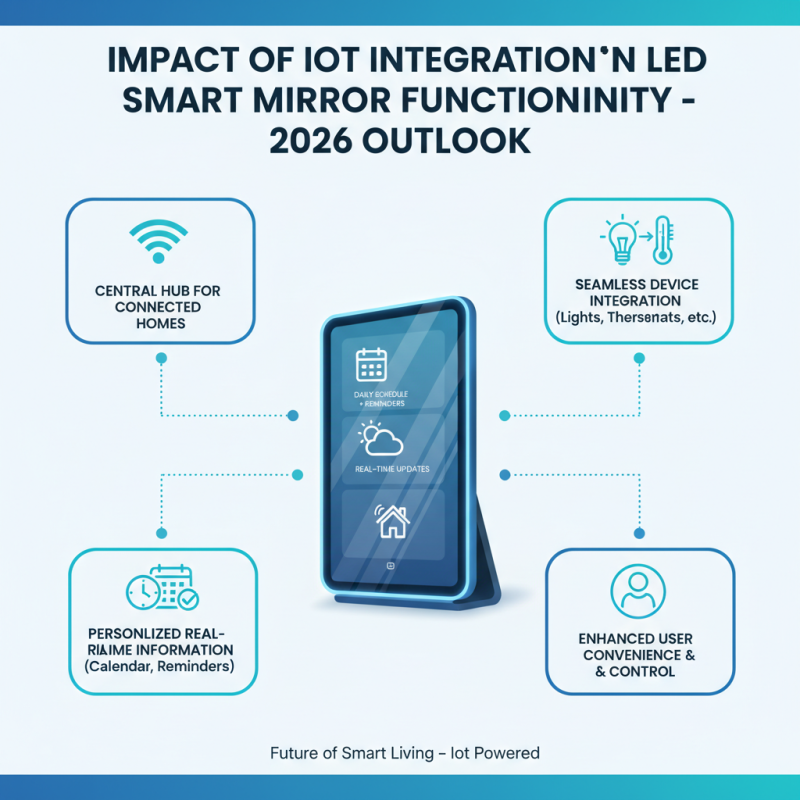
The future of LED smart mirrors in 2026 looks promising, especially with the integration of IoT technology. Smart mirrors will become central to connected homes. By seamlessly integrating with other smart devices, like thermostats and lights, they will enhance user convenience. Imagine adjusting your lighting while checking your daily schedule. IoT will allow these mirrors to sync with your calendar, providing personalized reminders in real-time.
As functionality evolves, the user experience will also expand. Advanced sensors may track health metrics such as skin condition or even sleep quality. Data analysis will deliver tailored skincare recommendations. This level of personalization will create a deeper connection between users and their smart mirrors. However, privacy concerns around data collection might lead to a more cautious use of such features.
Tips: When considering a smart mirror, think about how you want it to interact with your daily routine. Check reviews for functionality and user-friendly interfaces. The blend of aesthetics and technology should align with your lifestyle. Always weigh the benefits against potential privacy implications.
Consumer Trends and Market Demand for LED Smart Mirrors
As we look towards 2026, the market for LED smart mirrors is poised for significant growth. Consumers increasingly seek multifunctional home products that enhance their daily routines. Smart mirrors are becoming essential in skincare, beauty, and lifestyle management. They offer personalized lighting and interactive features, attracting tech-savvy users who value both form and function.
Market demand reflects a shift in consumer preferences. People desire mirrors that do more than just reflect their image. Features such as voice control, touch-sensitive surfaces, and integrated apps are now priorities. However, affordability remains a concern. Many consumers are hesitant to invest in products that seem overly complex. This is an area that manufacturers must address. Education on the benefits and ease of use is crucial.
Sustainability is another pressing issue. Shoppers are increasingly aware of their environmental impact. LED technology is energy-efficient, yet the sourcing of materials needs scrutiny. The industry faces challenges in balancing innovation with sustainability. Brands should transparently communicate their practices to build trust and meet consumer expectations. This emerging landscape requires continuous adaptation to stay relevant.
Market Demand for LED Smart Mirrors in 2026
Sustainability and Energy Efficiency in Future LED Smart Mirrors
The future of LED smart mirrors is promising, especially in terms of
sustainability and energy efficiency. By 2026, this technology is
expected to utilize eco-friendly materials that reduce carbon footprints significantly. Reports indicate that LED
technology can cut energy consumption by up to 75% compared to traditional lighting. These mirrors will
smartly harness solar energy, leading to further reductions in electrical dependency.
Incorporating energy-efficient designs, future LED smart mirrors will feature sensors
that adjust brightness based on room lighting. This adaptability minimizes unnecessary energy use. Additionally, recent studies
reveal that 30% of consumers prioritize energy-efficient home products. Therefore,
a demand for these smart mirrors will likely surge as sustainability becomes a key purchasing factor.
However, challenges remain. Manufacturers must ensure that
energy-efficient tech doesn't compromise the mirror's functionality or aesthetic appeal. Consumer feedback highlights
a need for more intuitive interfaces that align with sustainability. As smart home technology evolves,
embracing user-friendly features will be essential for market success.