Exploring the Rise of Smart Mirrors in China Top Technology Trends?
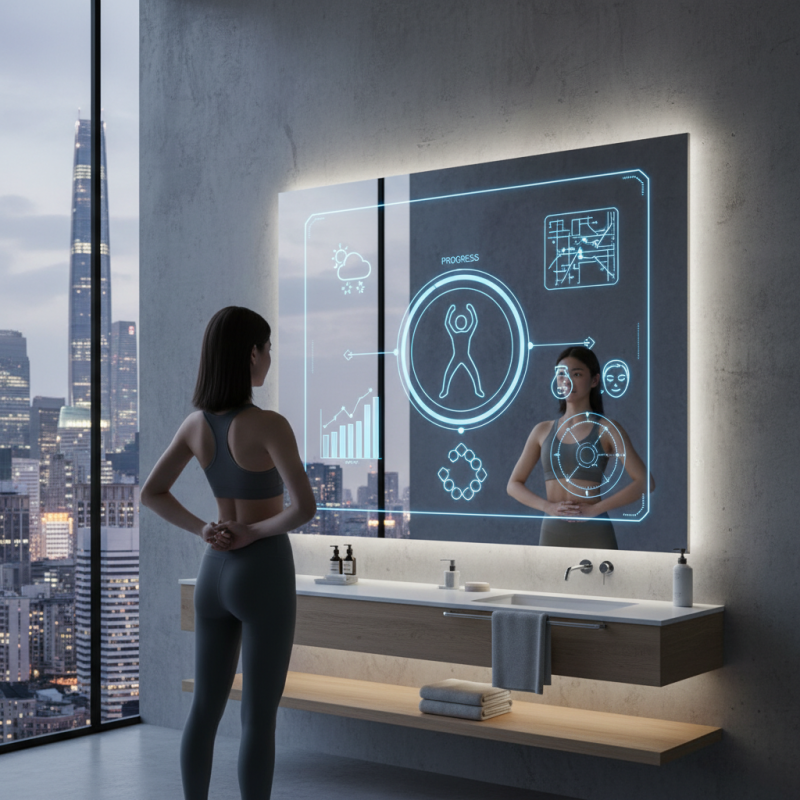
In recent years, the concept of the Smart Mirror has gained significant traction in China. This innovative technology merges digital displays with reflective surfaces, creating a versatile tool for various applications. Smart Mirrors offer features such as fitness tracking, virtual makeup try-ons, and real-time weather updates. They are not just gadgets but also a reflection of modern living trends.
The rise of Smart Mirrors aligns with the rapid advancements in technology, evident at major events like the Canton Fair. Innovative experiences, fueled by AI and smart navigation, enhance visitor engagement. Over 1.5 million square meters of exhibition space showcase these advancements, linking Smart Mirrors to evolving consumer preferences. However, there are still challenges, such as market saturation and user adaptation.
As Smart Mirrors become more accessible, are they truly meeting user needs? Despite their appeal, questions remain about effectiveness and usability. Continuous innovation and consumer feedback are vital for the Smart Mirror industry. It is essential for creators to reflect on these aspects as they shape the future of this technology.
The Concept of Smart Mirrors: Definition and Functionality
Smart mirrors are an innovation that blends technology with everyday functionality. These devices typically feature a reflective surface that acts like a regular mirror but also incorporates digital displays. Users can access information through touch or voice commands. For example, while getting ready in the morning, a smart mirror can display weather updates or news headlines.
The functionality of these mirrors goes beyond simple reflections. Many models include fitness tracking and beauty enhancement features. They can analyze skin conditions and suggest skincare routines. However, relying too heavily on technology can sometimes lead to a disconnect with our own self-perception. When we depend on an external source for validation, could it interfere with our self-esteem?
As smart mirrors rise in popularity, questions arise about privacy. The incorporation of cameras and sensors raises concerns about data collection. Users might unknowingly share personal information. This thought should encourage reflection on the balance between convenience and privacy. Embracing smart mirrors could enrich daily routines, but it is essential to remain cautious.
Historical Context: The Evolution of Mirrors to Smart Mirrors
Mirrors have been a part of human life for thousands of years. Ancient civilizations, like the Egyptians, crafted mirrors from polished stones. Their purpose was simple: to reflect. Over time, materials improved, and glass became the standard. This evolution marked the beginning of our relationship with mirrors. They transitioned from utility to artistry, becoming decorative pieces in homes and public spaces.
Today, we find ourselves in a new era with smart mirrors. These innovative devices blend functionality and technology. They offer features like touch screens, internet connectivity, and health monitoring. Imagine checking your skin’s condition while curling your hair or receiving weather updates in the morning. Yet, as fascinating as these advancements are, they raise questions about privacy. Users may wonder how data is collected and stored.
The journey from basic reflection to complex technology is remarkable. However, with this rise comes responsibility. Understanding how to integrate smart mirrors into daily life is essential. Will they become essential tools or mere novelties? Only time will tell.
Exploring the Rise of Smart Mirrors in China Top Technology Trends? - Historical Context: The Evolution of Mirrors to Smart Mirrors
| Year |
Mirror Type |
Key Features |
Market Adoption (%) |
| 2000 |
Traditional Mirror |
Plain reflective surface |
N/A |
| 2010 |
LCD Display Mirror |
Integrated LCD for displaying images |
10% |
| 2015 |
Smart Mirror |
Touchscreen interface, internet connectivity |
30% |
| 2020 |
AI-powered Smart Mirror |
Facial recognition, health monitoring features |
50% |
| 2023 |
Fully Integrated Smart Mirror |
Voice control, smart home integration |
70% |
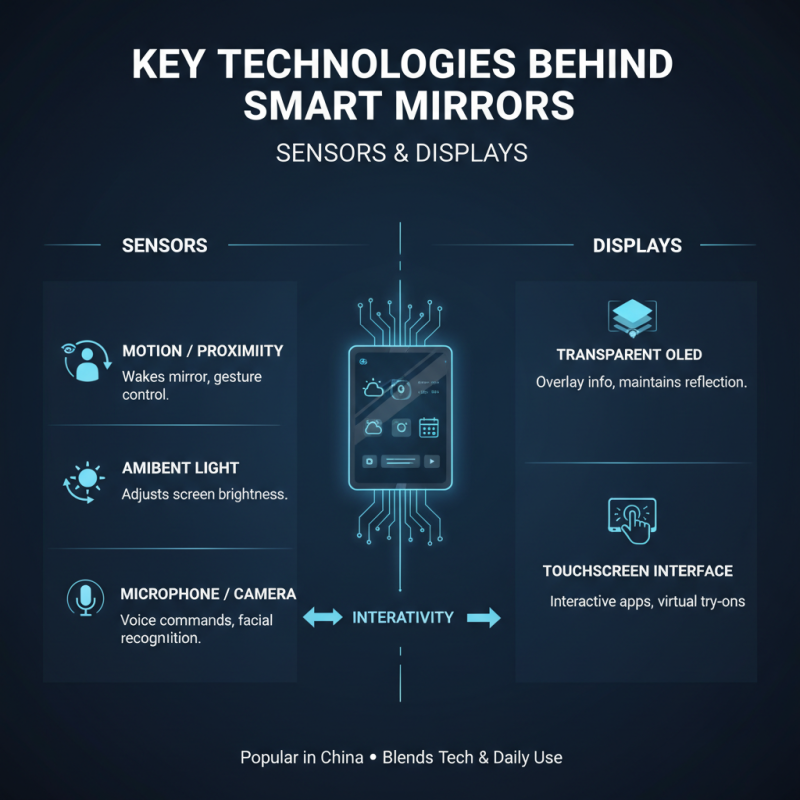
Key Technologies Behind Smart Mirrors: Sensors and Displays
Smart mirrors are gaining popularity in China. They combine technology with everyday use. The main components driving this trend are sensors and displays. These technologies make the mirrors interactive and functional.
Sensors embedded in smart mirrors detect user presence. They can measure movements and adjust accordingly. For example, lights can dim or brighten based on proximity. Additionally, touch sensors allow users to navigate through different applications easily. These features enhance user convenience, but they can sometimes misinterpret commands. This can lead to frustration, reminding users of the limitations of technology.
Displays in smart mirrors are another key element. They often feature high-definition screens that provide clear visuals. Whether displaying the weather or social media feeds, the information is accessible at a glance. However, the quality of displays can vary greatly. Some mirrors might struggle in bright light settings, making it hard to see. Ensuring the display's adaptability is essential.
Tips for choosing the right smart mirror: Look for one with good sensor capabilities. Test the touch response in person if possible. Ensure that the display performs well in various light conditions. Always consider your personal usage needs; not every feature may add value to your daily routine.
Market Trends: The Adoption of Smart Mirrors in China
The adoption of smart mirrors in China is gaining traction. These innovative devices offer more than just a reflective surface. They integrate technology in our daily routines. Consumers can access weather updates, news, and even beauty tutorials while getting ready. This multi-functionality attracts many users, especially the tech-savvy generation.
However, challenges exist. The initial cost of smart mirrors can be high. Users may feel overwhelmed by the features. Some find it hard to navigate the interface. It’s crucial to simplify technology to enhance user experience. Additionally, the integration of smart mirrors into homes can lead to privacy concerns.
Tips: Understand your needs before purchasing. Research various models to find the best fit. Listen to feedback from other users to avoid common pitfalls. Keep in mind that technology is always evolving. An informed choice leads to greater satisfaction with your smart mirror.
Adoption of Smart Mirrors in China (2020-2023)
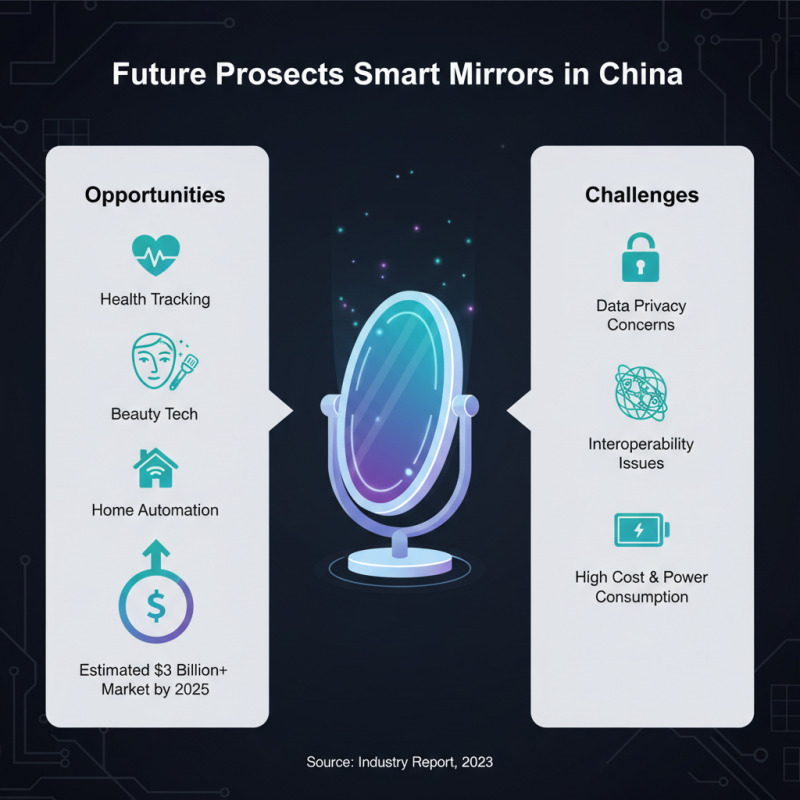
Future Prospects: Challenges and Opportunities for Smart Mirrors
The smart mirror market in China is experiencing rapid growth, fueled by technological advancements and changing consumer behavior. A recent report estimates that the market for smart mirrors will reach over $3 billion by 2025. This growth is driven by interests in health tracking, beauty applications, and home automation. However, there are some hurdles that manufacturers must overcome.
Challenges include high manufacturing costs and the need for robust software solutions. Many consumers are still unaware of the full potential of smart mirrors. Privacy concerns also loom large. Users fear data security, especially with health information being tracked. There is a delicate balance between innovation and ensuring customer trust.
Tips: Focus on quality when choosing smart mirrors. A well-designed mirror can leverage advanced sensors accurately. Incorporating user feedback will be vital for improvement. Building a direct line of communication with potential users could help address their concerns early.
Opportunities are present in integrating AI technology into smart mirrors. These mirrors can become personal assistants, offering tailored recommendations. Yet, the industry must tread carefully to avoid overwhelming users with too many features. Simplicity often leads to better user experiences.