Smart Mirror Tips for Global Buyers How to Choose the Best?
In recent years, the "Smart Mirror" industry has surged in popularity, captivating consumers worldwide. Experts like Dr. Sarah Lee, a renowned authority in smart technology, emphasize the significance of making informed choices. She states, "Choosing the right Smart Mirror goes beyond aesthetics; functionality is key.”
When selecting a Smart Mirror, consider its features carefully. Ensure it offers intuitive controls and integration with smart home systems. Look for mirrors that provide valuable functionalities such as personalized skincare analysis or virtual try-ons, enhancing daily routines.
However, not every product will meet your expectations. It’s essential to research customer reviews and consider the durability of the mirror. Overlooking these factors can lead to disappointing purchases. A good Smart Mirror should serve as a reliable partner in your daily life, not just a trendy accessory. Reflect on your needs and preferences to find the perfect fit.

Understanding Smart Mirror Technology and Its Features
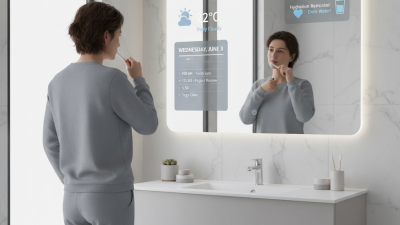
Smart mirrors are transforming how we interact with technology at home. Understanding the underlying technology and features is key to making an informed purchase. These devices combine reflective surfaces with digital screens, making them functional and stylish. They leverage augmented reality to provide information like weather updates, news, and even skincare analysis.
When exploring smart mirrors, consider the display quality. High-resolution screens enhance usability. Reports indicate that 78% of consumers prioritize display clarity. Additionally, touch functionality can improve user experience. Models with voice command capabilities may also offer hands-free convenience. Remember, not all features will suit your needs. Assess the options carefully.
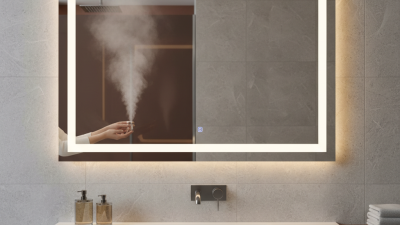
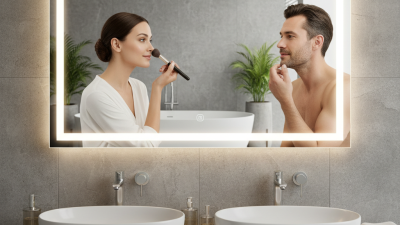
Lighting is another critical factor. Adjustable lighting can enhance visibility and ambience. Many models allow customization of brightness and warmth. Almost 70% of users value this feature for makeup application or morning routines. Reflect on how often you'll use these functions to avoid overpaying.
Prioritize customer reviews and expert opinions. They often reveal potential issues overlooked in marketing materials. Checking for software updates support can also ensure longevity. A well-informed choice is crucial to enjoying a smart mirror's true benefits.
Key Technical Specifications to Consider When Choosing a Smart Mirror
When selecting a smart mirror, understanding the technical specifications is crucial. A report by Statista highlighted that the smart mirror market is expected to grow significantly, reaching approximately $2.5 billion by 2026. One key specification is display quality. Look for mirrors with at least Full HD resolution for optimal image clarity. The brightness and reflectivity of the mirror can also affect visibility in various lighting conditions. It’s essential to assess these features based on your specific needs.
Another important aspect is connectivity. Smart mirrors with Wi-Fi and Bluetooth capabilities allow seamless integration with other smart devices. Many users prioritize compatibility with mobile apps for personalized features. Complex interfaces can be daunting, so ensure that the mirror comes with an intuitive user experience. Convenience should never compromise functionality.
Performance and durability matter too. Over time, users may notice that some smart mirrors struggle with software updates or lag in processing. Investing in a mirror that ensures reliable performance can save you from future frustrations. Pay attention to warranties and customer service options, as they reflect the manufacturer’s confidence in their product. In an industry where technology evolves quickly, adaptability is key for long-term satisfaction.
Smart Mirror Specifications for Global Buyers
| Specification |
Description |
| Display Size |
24 to 32 inches |
| Resolution |
Full HD (1920 x 1080) |
| Touch Functionality |
Capacitive Touch |
| Smart Features |
Voice Control, Bluetooth, WiFi |
| Camera Quality |
1080p HD Camera |
| Mirror Type |
Two-way Mirror |
| Operating System |
Android or Custom OS |
| Connectivity |
HDMI, USB, Ethernet |
| Power Supply |
AC Adapter or Battery |
| Weight |
5 to 10 kg |
Market Trends and Consumer Preferences in the Smart Mirror Industry
The smart mirror industry is evolving, driven by changing consumer preferences and emerging market trends. Many buyers prioritize functionality and aesthetics when choosing a smart mirror. Features like touchscreens, voice activation, and customization options are becoming essential. Consumers are looking for mirrors that seamlessly integrate with their daily routines and smart home devices.
In recent surveys, 57% of consumers express interest in mirrors that offer additional features like health tracking and virtual wellness consultations. This reflects a shift towards personal well-being and self-care. However, some buyers find themselves overwhelmed by the wide array of choices available. It is crucial to reflect on specific needs. Do you want a mirror primarily for aesthetics, or are you focused on advanced functionalities?
A common pitfall is ignoring the importance of size and placement. Mirrors should complement the space they occupy. Moreover, buyers often overlook energy efficiency and sustainability factors. The desire for smart mirrors is growing, but informed purchasing remains key. Understanding personal priorities will help navigate the options more effectively.
Evaluating Smart Mirror Brands: Top Players and Their Innovations
When evaluating smart mirror brands, focus on their unique innovations and user experience. Many brands offer high-tech features, but not all meet quality standards. Look for mirrors with responsive touch controls and interactive displays. Some provide health monitoring, giving users insights about their wellness. These features can greatly enhance daily routines and promote a healthier lifestyle.
Brand reputation is crucial. Research customer reviews and user feedback to assess reliability. Some brands may promise cutting-edge technology but fail in durability. It’s essential to weigh user experiences against marketing claims. Consider the availability of customer support as well. Brands committed to maintaining a strong relationship with their customers usually offer better service.
Remember that the best smart mirror may not be the most expensive one. It’s vital to balance features, quality, and price. Innovatively designed smart mirrors can fit various aesthetics and provide functionality in limited spaces. Sometimes, it’s better to choose a more simple design that still offers essential features. Reflect on what you truly need rather than getting caught up in flashy options. This approach will lead to a more satisfying choice.
Best Practices for Smart Mirror Integration in Home and Retail Spaces
Smart mirrors are more than a trend; they represent a shift in how we interact with technology in our daily environments. Integrating smart mirrors into home and retail spaces demands careful consideration. In retail, a study found that nearly 70% of consumers are influenced by interactive displays. This indicates a strong appetite for engaging technology that enhances the shopping experience. Smart mirrors can serve as an effective tool for visual merchandising. They allow for virtual try-ons, product information, and promotions right at the point of decision.
In home environments, functionality is paramount. Smart mirrors can be equipped with features like virtual assistants and fitness tracking. However, integrating these features requires a strong understanding of user interface design. Reports suggest that 85% of users abandon tech solutions that are not intuitive. This highlights the need for a user-centered approach during development. Functionality must marry design for success. Consider aesthetics, user experience, and technological capability as crucial factors; they can significantly impact adoption rates and satisfaction.
One potential drawback is the reliance on Wi-Fi connectivity, which can be unstable in some locations. Without a reliable connection, the mirror’s features might fail. This makes site assessment critical prior to integration. Installation must also consider privacy concerns, as users may be wary of data collection. Balancing innovation with user comfort can create a more attractive solution in both residential and commercial spaces. Creating an experience that resonates will be vital as smart mirrors evolve.