Top Tips for Selecting the Perfect Wooden Cabinet?
Choosing the right wooden cabinet can greatly impact your space. A well-selected cabinet enhances both functionality and aesthetic appeal. However, many overlook essential factors in this decision-making process.
Lighting, room size, and wood type are crucial elements to consider. Do you need a statement piece or a subtle addition? The right choice balances both style and practicality, ensuring it complements your home decor.
Some may rush and settle for less, leading to disappointment. Take your time to explore various designs and finishes. Remember, a wooden cabinet is not just furniture; it’s an investment in your home’s character. Thoughtful selection ensures it lasts for years.
Understanding Different Types of Wood: Durability and Aesthetics
When selecting a wooden cabinet, understanding the type of wood is essential. Different woods have unique properties that affect durability and aesthetics. Hardwoods like oak and maple offer strength and longevity. They resist scratching and denting, making them ideal for high-use areas. Softwoods, such as pine, are lighter and easier to work with, but may not last as long.
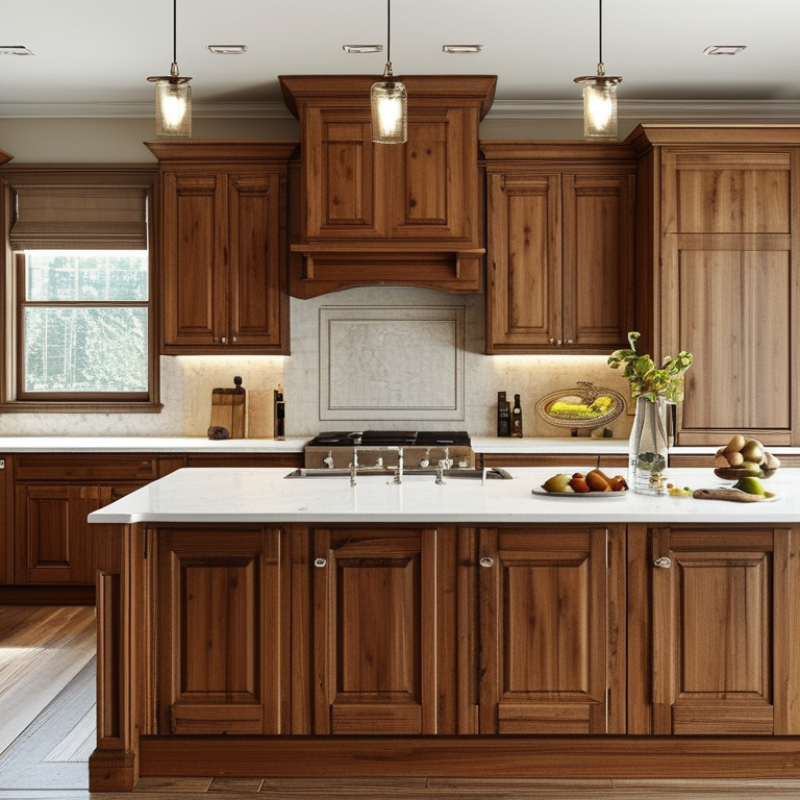
Choosing the right wood can enhance your space. For a rustic look, reclaimed wood adds character and history. Conversely, sleek finishes in walnut or cherry bring a modern touch. Pay attention to grain patterns; they can transform the overall appearance of your cabinet.
Tip: Always check the wood's finish. A good finish can protect against moisture and stains. Test samples in your home lighting to see how they blend with your decor. Keep in mind that imperfections can give your cabinet unique charm. Embrace the natural variations, as they tell the wood's story.
Evaluating Cabinet Construction: Joinery, Material Quality, and Finish
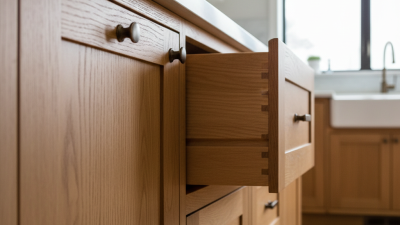
Choosing the right wooden cabinet involves careful consideration of its construction. Joinery plays a crucial role in this. Look for dovetail joints or mortise-and-tenon connections. These methods provide strength and durability. Avoid staples or glue joints, as they may not withstand heavy use.
Material quality is another key factor. Solid wood is preferred for its longevity and aesthetic appeal. Plywood can be a good alternative if it is high-grade. Pay attention to wood species; oak and maple often offer better resilience. Inspect the finish as well. A smooth, even finish protects the wood and enhances its beauty.
Cabinets should feel sturdy when you open and close the doors. Pay special attention to the weight of the materials. Lightweight cabinets may lack durability. Sometimes, aesthetic appeal can distract from functionality. It is essential to balance beauty and practicality. Traveling through various options can reveal both gems and disappointments. Keep these aspects in mind for a well-rounded selection.
Top Tips for Selecting the Perfect Wooden Cabinet
| Criteria |
Description |
Importance Level |
| Joinery Type |
Assess if the cabinet uses dovetail, mortise and tenon, or butt joints for strength and longevity. |
High |
| Material Quality |
Look for solid wood versus particle board; solid wood is more durable and visually appealing. |
High |
| Finish |
Check for a smooth finish; good finishes protect wood and enhance beauty. |
Medium |
| Hardware Quality |
Inspect hinges, handles, and slides; high-quality hardware enhances functionality and lifespan. |
High |
| Size and Dimensions |
Ensure it fits your space; measure carefully to avoid installation issues. |
High |
| Style Compatibility |
Consider how the cabinet complements existing decor; choose a style that fits your aesthetic. |
Medium |
Assessing Storage Needs and Functional Requirements for Your Space
When choosing the perfect wooden cabinet, it’s crucial to assess your storage needs and functional requirements. Think about what items you’ll store. Are they books, clothes, or kitchen supplies? Each category demands different space and organization. For instance, clothes need hanging space, while books benefit from shelves. Sketch a plan for how much space each category requires.
Consider the size of your room. A large cabinet can overwhelm a small space. In contrast, a tiny cabinet might look lost in a large room. Take accurate measurements of your available area. Visualize how the cabinet fits in your existing layout. Don’t forget about accessibility. Items should be easy to reach. Reflect on your daily habits. Will you use this cabinet frequently or occasionally?
Think about the cabinet’s functionality too. Extra features like drawers or adjustable shelves can enhance usability. However, not all cabinets need every feature. Sometimes, simplicity is best. Investing in durable materials is wise, yet the design should also appeal to your taste. Balance between aesthetic and practicality will lead to a more satisfying choice.
Importance of Style and Design: Matching Cabinets to Home Décor
When selecting a wooden cabinet, style and design play crucial roles. Cabinets are not just functional. They contribute significantly to your home's overall aesthetic. Consider the existing décor. Does it lean towards modern, rustic, or classic? Each style has unique characteristics.
For modern homes, sleek lines and minimalistic designs are essential. A cabinet with glossy finishes can add a contemporary touch. In contrast, a rustic wooden cabinet with visible grain brings warmth and charm. It also tells a story. Look for imperfections in the wood; they add character. Each scratch or knot enhances its uniqueness.
It's also important to consider color schemes. A cabinet should complement your walls and furnishings. Neutral tones like beige or gray often blend seamlessly. Bold colors can serve as statement pieces, pulling attention while maintaining harmony. Reflect on how the cabinet fits into your space. Will it clash or enhance? Visualize its impact. This thoughtful approach ensures that your cabinet isn't just functional but also a perfect fit for your home.
Top Tips for Selecting the Perfect Wooden Cabinet
In selecting the perfect wooden cabinet, it’s essential to consider various styles and designs that complement your home décor. This chart illustrates the popularity of different cabinet styles among homeowners.
Budgeting for Quality: Cost vs. Longevity in Wooden Cabinets
When selecting a wooden cabinet, budgeting is crucial. It's tempting to go for the cheapest option, but this often leads to regret. A low-priced cabinet may save you money now, but it can cost more in the long run. Cheaper materials often wear out quickly. They may not withstand moisture or humidity. In contrast, investing in quality materials ensures durability. Solid wood cabinets tend to last longer and resist damage.
Quality cabinets might require a higher upfront cost. However, think about their lifespan. A well-constructed cabinet can last for decades. Over time, it becomes a valuable piece in your home. Cheaper options might need replacement in just a few years. In this case, the initial savings don’t justify the long-term costs.
It’s essential to weigh your options. Ask yourself what you truly need. Will this cabinet serve a functional purpose? Or is it a statement piece? The right choice will reflect your style and meet your practical needs. Consider the type of wood and construction techniques. Research can guide you in making a better-informed decision. Each choice shapes your environment and lifestyle.