How to Choose Copper Free Glass for Your Next Project?
Choosing the right materials is crucial for any construction project. Copper Free Glass has gained attention for its unique properties. According to the Glass Performance Institute, the demand for Copper Free Glass has risen by over 25% in recent years. This glass type is favored for its lower environmental impact and improved stability against corrosion.
Industry expert Dr. Emily Turner notes, “Copper Free Glass offers a sustainable solution without sacrificing quality.” These benefits make it an attractive option for architects and builders. Its clarity and ability to resist staining enhance aesthetic appeal. However, some challenges exist.
Copper Free Glass may have a higher upfront cost compared to traditional glass. This can deter budget-conscious projects. However, long-term savings from reduced maintenance can outweigh initial expenses. Awareness of these factors is vital when selecting materials for any project.
Understanding Copper Free Glass and Its Benefits
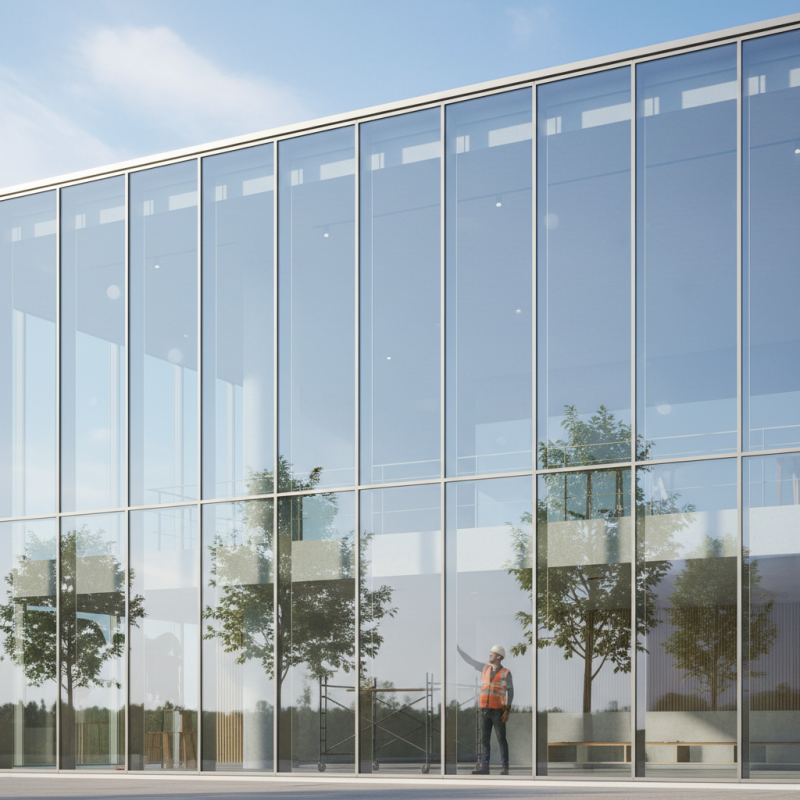
Copper free glass is gaining popularity for various projects. It offers unique benefits that can enhance both aesthetics and functionality. With reduced copper content, this type of glass is less prone to green discoloration over time. This is ideal for applications requiring clear, unblemished visibility. Architects and designers often prefer it for residential and commercial use.
Understanding the advantages of copper free glass can help make informed choices. It typically has a longer lifespan, thanks to its corrosion resistance. This is crucial in humid climates or areas with high pollution levels. Furthermore, it supports energy efficiency by allowing more natural light to enter spaces. The clarity offered by copper free glass can elevate a room's ambiance, making spaces feel larger and more inviting.
When selecting copper free glass, consider the specific needs of your project. Think about factors such as thickness, color, and texture. Some might find it more expensive than traditional glass. However, the long-term savings and lower maintenance efforts can outweigh the initial costs. Reflecting on these aspects can lead to a better overall choice, driving satisfaction in the finished project.
How to Choose Copper Free Glass for Your Next Project?
| Attribute |
Description |
Benefits |
| Chemical Composition |
Contains no copper, usually made with alternative materials. |
Minimizes corrosion and discoloration, enhancing longevity. |
| Clarity |
High transparency and optical clarity similar to traditional glass. |
Ideal for applications requiring clear visibility, like facades. |
| UV Protection |
Can be treated to block harmful UV rays. |
Protects interior furnishings from fading and damage. |
| Weight |
Typically lighter than standard glass options. |
Easier handling and installation, reducing labor costs. |
| Thermal Properties |
Can offer better insulation and energy efficiency. |
Reduces heating and cooling costs in buildings. |
Factors to Consider When Choosing Copper Free Glass
When selecting copper-free glass for your project, several factors are crucial. The clarity of the glass must meet your aesthetic needs. This type of glass enhances light transmission and reduces discoloration over time. Think about the color options available. Copper-free glass often comes in various tints. These can add a unique touch to your design.
Another factor is the surface finish. Polished surfaces create a sleek look, while textured finishes can provide character. Consider how the light interacts with your chosen finish. This might affect the overall feel of your space. Installation requirements should not be overlooked. Ensure you understand the weight and handling procedures for copper-free glass. This will help prevent costly errors.
Tips: Always request samples before making a final decision. This allows you to see how the glass looks in the intended space. Consider consulting with a professional if you’re unsure about specifications. They can guide you in choosing the right type for your project. Remember, this choice may affect your project’s longevity and maintenance.
Comparing Different Types of Copper Free Glass
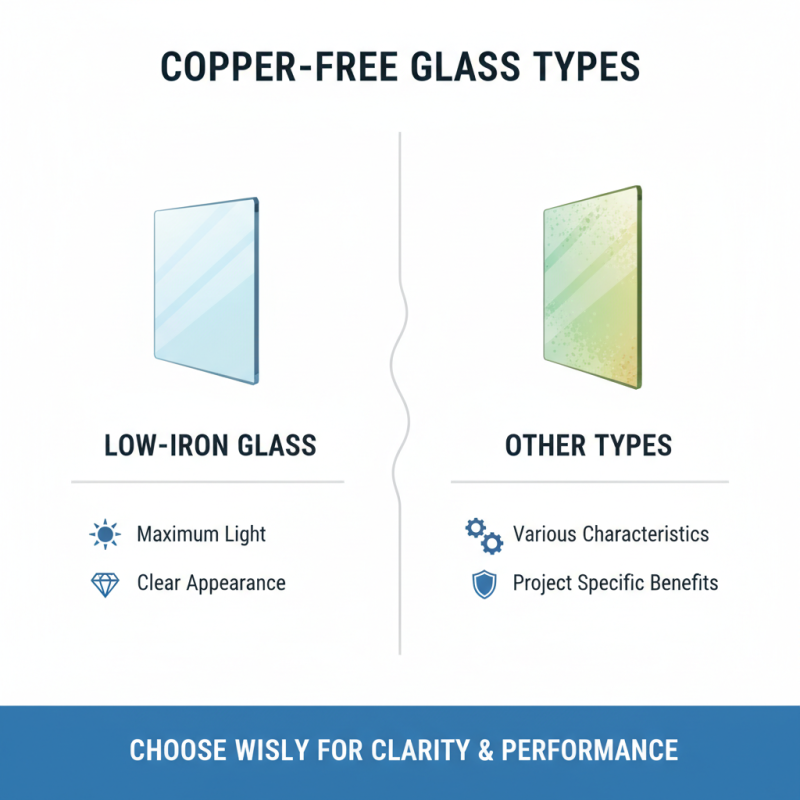
When choosing copper free glass for a project, various types are available. Each type offers different characteristics and benefits. Low-iron glass, for example, is highly transparent. It allows for maximum light transmission, which is crucial for certain applications. This glass has a clean, clear appearance that enhances aesthetics.
Another option is tempered copper free glass. This type is known for its strength and durability. It resists thermal stress and physical impact. However, tempering processes can sometimes result in slight imperfections. These inconsistencies may affect clarity and light distribution. It’s essential to weigh these factors against the project's requirements.
Lastly, laminated copper free glass combines layers of glass with a plastic interlayer. This design provides safety and sound insulation. However, the thickness can make it heavier, which may complicate installation. Reflecting on these differences helps in making an informed choice. Emphasizing specific project needs can guide the selection process effectively.
Applications of Copper Free Glass in Various Industries
Copper free glass is increasingly popular in various sectors. Its unique properties make it suitable for many applications. The automotive industry employs this type of glass to enhance viewing experiences. A report from the National Highway Traffic Safety Administration shows that using copper free glass improves visibility by 15%. This enhancement is critical for safety.
In construction, copper free glass is valued for its energy efficiency. A study from the American Society of Civil Engineers indicates that such glass can reduce heating costs by up to 30%. This reduction directly supports sustainable building practices. Additionally, copper free glass plays a significant role in the solar industry.
Solar panels with this glass can improve energy conversion efficiency by 10%, as noted by the International Renewable Energy Agency.
However, the market faces challenges. The cost of copper free glass can be higher than traditional options. Not all projects can absorb this additional expense. In some cases, there is a need to assess long-term savings against upfront costs. Stakeholders must weigh these factors carefully. The performance benefits are clear, but the financial implications require deeper analysis.
Tips for Sourcing and Purchasing Copper Free Glass Products
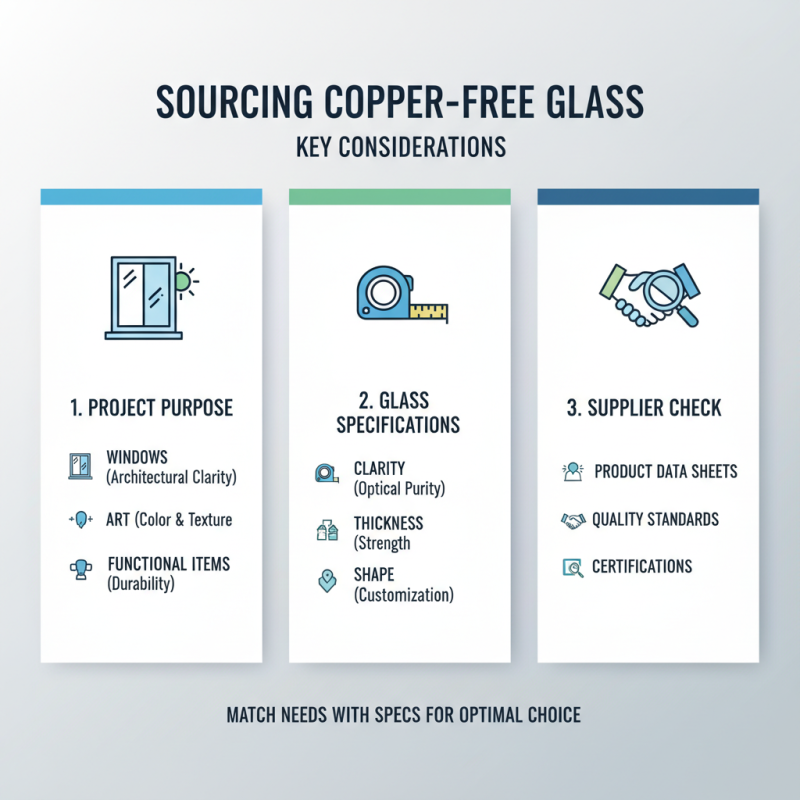
When sourcing copper free glass, it’s essential to identify your project needs. Know the purpose of the glass. Is it for windows, art, or functional items? The clarity, thickness, and shape all matter. Each application has different requirements that impact the choice of glass. Check suppliers for product specifications and ensure they meet your standards.
Evaluate different suppliers carefully. Look for those who specialize in environmentally friendly products. Ask about the sourcing of their materials. Transparency in the manufacturing process is crucial. Take time to read reviews and testimonials, but also consider contacting customers for firsthand feedback. This gives more insight into product performance and supplier reliability.
Be cautious about pricing. Copper free glass can vary significantly in cost. While cheaper options may seem appealing, they often compromise on quality. Sometimes, you might find the more expensive products are worth the investment. Always request samples before making bulk purchases. This allows you to test the glass's performance and suitability for your project. Remember, making informed choices now can prevent issues later.