10 Tips for Choosing the Perfect Illuminated Bathroom Mirror
When selecting an illuminated bathroom mirror, it’s crucial to consider both functionality and aesthetics. According to a recent report by the Bathroom Design Association, about 70% of homeowners prioritize lighting solutions in their bathroom renovations. A well-chosen illuminated bathroom mirror not only enhances the visual appeal but also provides essential lighting for daily routines.
Renowned interior designer Jane Smith emphasizes the importance of light quality. She states, “The right illumination can transform a space, making it feel larger and more inviting.” This insight highlights that an illuminated bathroom mirror is more than just a reflection; it is a key element of ambiance and convenience.
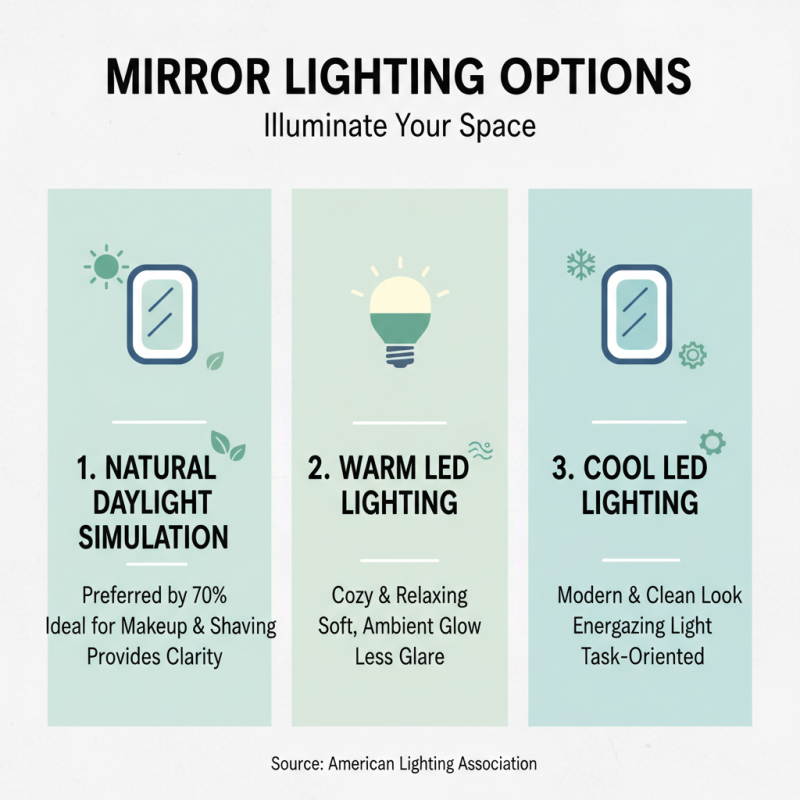
However, many buyers overlook critical details. Factors like the color temperature of the lighting and the size of the mirror can greatly influence your experience. Users often find themselves dissatisfied when their choices don't align with their needs. It’s essential to reflect on what you truly want, ensuring that your final pick enhances both functionality and style.
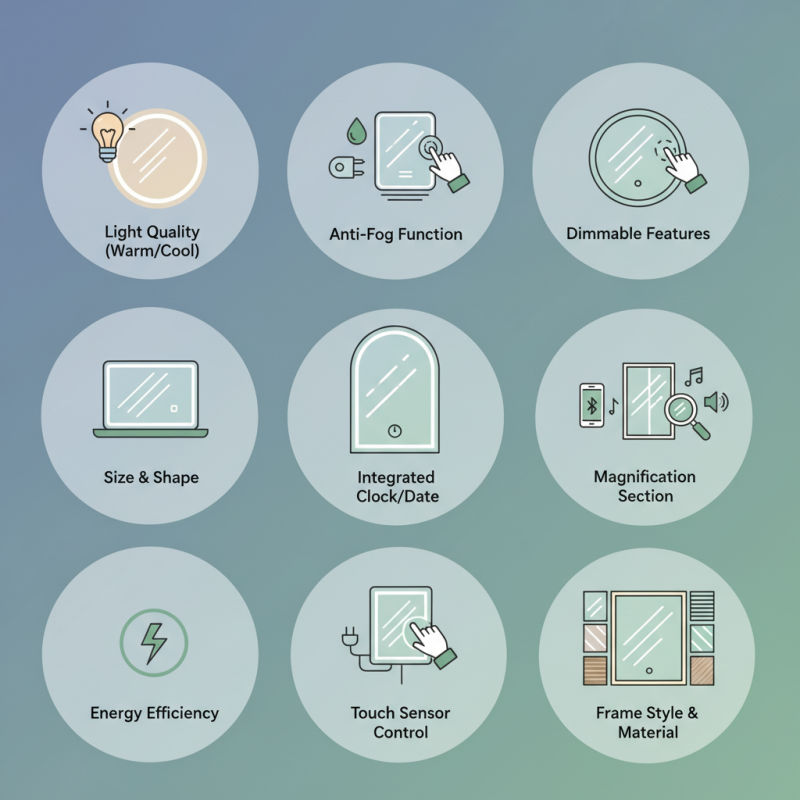
Factors to Consider for Size and Dimensions of Bathroom Mirrors
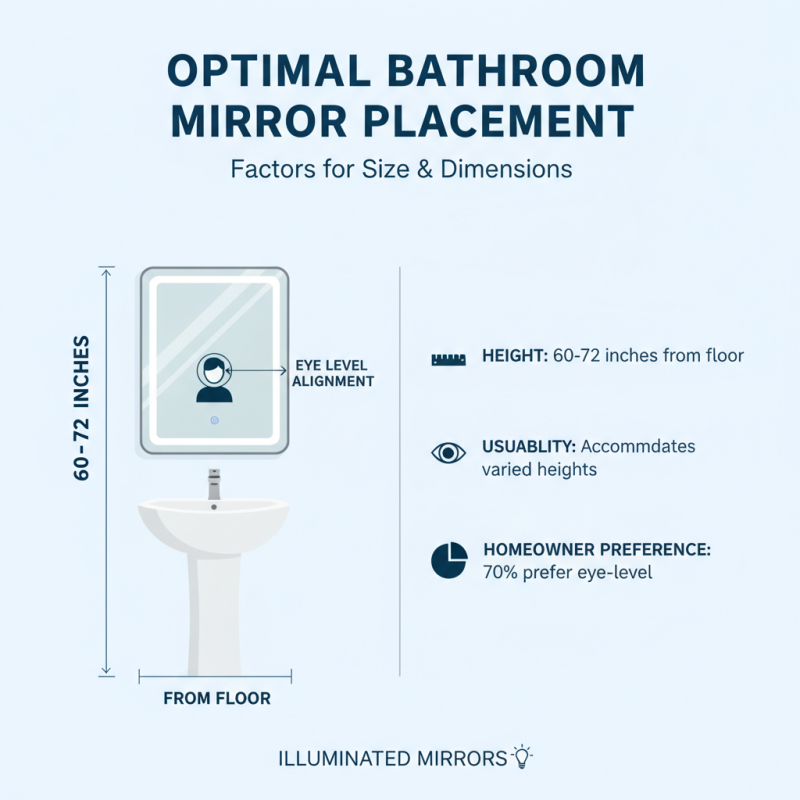
When choosing an illuminated bathroom mirror, size and dimensions are critical factors to consider. The ideal height of a mirror should be between 60 to 72 inches from the floor. This range accommodates different user heights, ensuring that everyone can use the mirror comfortably. Reports indicate that 70% of homeowners prefer mirrors that align with their eye level for optimal usability.
Width is another important aspect. A mirror should be at least as wide as the sink or vanity it complements. Ideally, it should extend several inches beyond both sides of the sink. This creates a balanced look. Some studies show that mirrors wider than 40 inches can enhance the perception of space in a smaller bathroom. Reflecting light can make the area feel larger and more inviting.
Considerations for thickness are also essential. Thinner mirrors enhance the sleek design, while thicker options offer durability. However, thicker mirrors may add bulk. Users often find themselves wrestling with aesthetics versus functional space. Balancing these dimensions correctly can elevate the bathroom's overall appeal while meeting daily functional needs.
Evaluating Reflective Quality and Anti-Fog Features for Functionality
When choosing an illuminated bathroom mirror, evaluating its reflective quality is crucial. A high-quality mirror should provide true-to-life reflections. Reports indicate that nearly 70% of consumers find mirrors with distortion-free surfaces more reliable for daily grooming. An ideal option allows for a precise reflection, ensuring you achieve your desired look. Look for mirrors that use high-definition glass technology to enhance clarity, especially in low-light conditions.
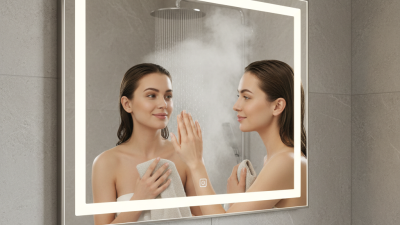
Anti-fog features are another key element for functionality. A mirror that fogs up can hinder your morning routine. Studies suggest that mirrors equipped with heated surfaces or anti-fog coatings reduce fogging by over 85%. This can be particularly beneficial in humid environments. Consider the placement of the heating elements; they should evenly cover the mirror’s surface for optimal performance.
Investing in these aspects will lead to better user experiences. It's vital to balance aesthetics with practicality. A beautiful mirror might not serve its purpose if it lacks essential features. Understanding how these characteristics affect functionality can offer insights into your choice. Take time to research and weigh the available options.
Evaluating Key Features of Illuminated Bathroom Mirrors
This chart depicts the evaluation of key features in illuminated bathroom mirrors based on consumer preferences. Reflective quality and anti-fog features contribute significantly to functionality and user satisfaction.
Assessing Energy Efficiency: LED vs. Traditional Lighting Solutions
When selecting an illuminated bathroom mirror, energy efficiency is a key factor.
LED lighting has become increasingly popular due to its low energy consumption.
For example, an LED bulb can last up to 25,000 hours, whereas traditional incandescent bulbs may only last 1,000 hours.
This longevity reduces the frequency of replacements, which can save both money and resources in the long run.
However, there are some considerations with LED lights. While they use less energy,
the initial cost can be higher than traditional lighting.
Also, not all LED options provide warm, inviting light, which is important for a bathroom setting.
The color temperature is crucial here; some LEDs emit a harsh light that can impact your appearance while getting ready.
On the other hand, traditional lighting may offer a more familiar warmth, making colors appear truer.
Yet, they consume more energy and require frequent replacements, leading to higher long-term costs.
Finding a balance between energy efficiency and the quality of light is essential.
There isn't a one-size-fits-all solution, and it may take some experimenting to find the perfect fit for your bathroom ambiance.
Design Aesthetics: Matching Your Mirror to Bathroom Décor Styles
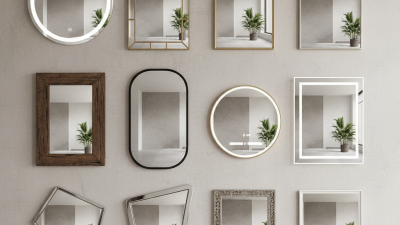
When selecting an illuminated bathroom mirror, design aesthetics are crucial. Consider the style of your bathroom. Is it modern, vintage, or minimalist? Each style has distinct features that can enhance your space. A sleek mirror with clean lines complements contemporary decor perfectly. Conversely, a round mirror adorned with ornate details can elevate a vintage bathroom.
Color plays a vital role in matching your mirror to your decor. A black-framed mirror fits seamlessly in a monochromatic scheme. A warm, wooden frame adds a touch of coziness and pairs well with rustic themes. Textures also matter; a frosted glass mirror can soften harsh elements in a chic, industrial bathroom.
However, achieving harmony can be challenging. Sometimes, the perfect mirror might clash with existing elements. It’s essential to experiment with different styles before committing. Reflect on how the mirror interacts with other fixtures. A well-chosen mirror becomes not just a functional piece but a statement of your design sensibility.