How to Customize Mirror for Your Home Decor Needs?
In interior design, mirrors are often overlooked. However, they play a crucial role in enhancing a space. Renowned designer Sarah Thompson emphasizes, "A well-customized mirror reflects not only light but also your personal style." This highlights the importance of knowing how to customize mirror elements to fit individual home decor needs.
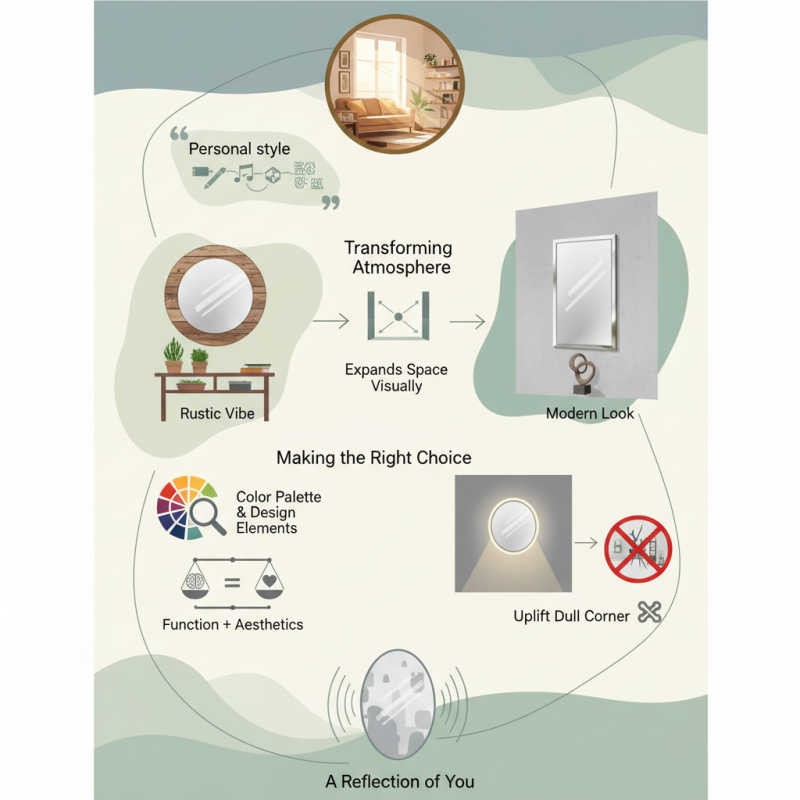
Customizing mirrors can transform a room's atmosphere. Various shapes, sizes, and finishes allow homeowners to create unique focal points. Think about using a round mirror with a wooden frame for a rustic vibe or a sleek, frameless design for a modern look. The right mirror can also expand a space visually, making it feel larger and brighter. However, many people struggle to find the perfect balance between function and aesthetics.
Choosing the right custom mirror involves careful consideration. Reflect on your home's color palette and design elements. The wrong choice can clash and disrupt the harmony. A well-placed mirror can uplift a dull corner but an ill-placed one may add chaos. As you explore options, remember that customizing mirrors isn’t just a trend; it’s a reflection of yourself.
Understanding Different Types of Mirrors for Home Decor
When choosing mirrors for home decor, understanding their types is essential. Wall mirrors can create the illusion of space in small rooms. They reflect light, making a space feel larger and brighter. You might opt for a classic rectangular shape or go for something more unique, like an oval or round design, which can soften sharp lines in a room.
Accent mirrors serve as beautiful focal points. They often feature decorative frames that complement your existing decor. A vintage-style mirror can add character to a modern space. However, you must consider the placement. An awkwardly positioned accent mirror might disrupt the flow of your room.
Mirrors also come in functional types, like vanity mirrors. They enhance your grooming experience but can sometimes distract with their reflections. Choosing the right type involves trial and error. Don’t be afraid to constantly reassess how they fit into your home. The aesthetic should feel cohesive, reflecting your personal style rather than conflicting with it.
Choosing the Right Size and Shape of Mirrors for Your Space
Choosing the right size and shape of mirrors is essential for enhancing your home decor. Mirrors can visually expand a space or add depth to a small room. When selecting a mirror, consider the area where it will be placed. A large, rectangular mirror can work wonders in a narrow hallway. It creates the illusion of more space, making it feel less cramped.
For smaller areas, round mirrors can soften the overall look. They add a touch of elegance and can complement other decor items. Play with different placements; try hanging one above a console table or as a focal point in a living room. However, measuring the space is crucial. An oversized mirror can overpower a small room, while a tiny one might be lost on a big wall.
Reflect on your lighting conditions as well. Mirrors can quickly enhance light in dim spaces or create symmetry. Remember, the finish and style matter too. A vintage frame can add character, while a sleek design suits modern decor. Evaluate how each choice aligns with your vision for the space, and don’t hesitate to adjust your selection based on your evolving style.
Innovative Techniques for Customizing Mirror Frames
Customizing mirror frames can elevate your home decor significantly. One innovative technique involves using natural materials, like wood or stone, to create unique textures. Each type of wood brings its own character. Driftwood adds a coastal feel, while reclaimed barn wood introduces rustic charm. Stone can provide a sophisticated look, but ensure the weight is manageable for wall support.
Another technique focuses on painting or stenciling frames. This allows for bold colors and creative designs. Consider geometric patterns or floral motifs. A well-placed pop of color can tie a room together. However, achieving a smooth finish requires practice and patience. Imperfections can enhance the piece’s personality, so embrace minor flaws.
Adding embellishments is also a great approach. Think about using beads, mirrors, or metal accents. These can transform a basic frame into a stunning focal point. Yet, balance is key; too many additions can overwhelm the design. A minimalist approach may be the best for small spaces. Always consider your overall decor theme when customizing.
Incorporating Mirrors as Functional Decor Elements
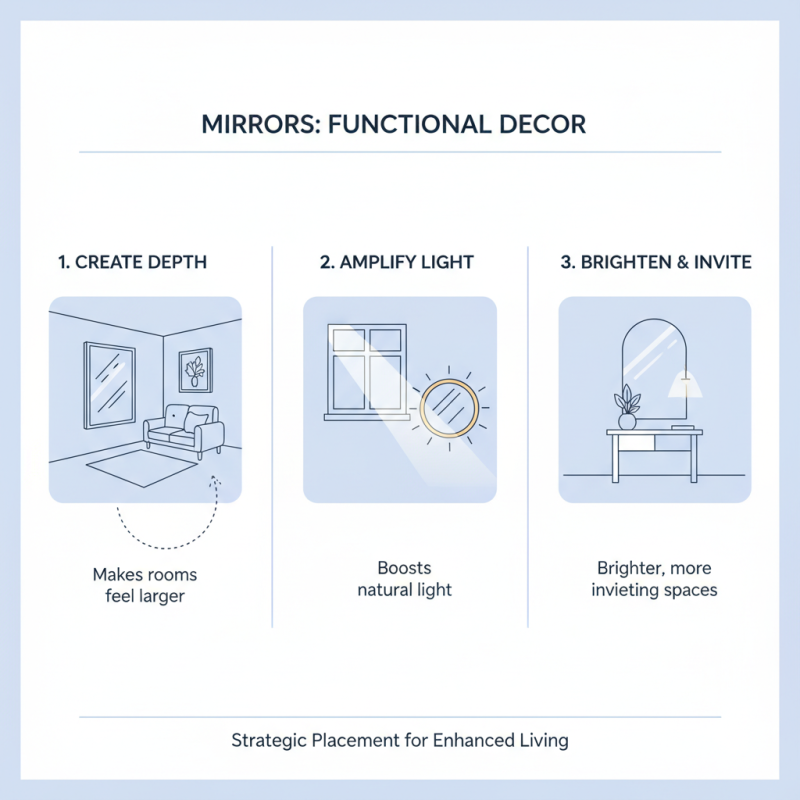
Mirrors serve as more than just reflective surfaces; they enhance our living spaces in unique ways. By strategically placing a mirror, you can create the illusion of depth in a small room. For example, a large mirror opposite a window can amplify natural light, brightening up your space significantly. This effect can make any room feel larger and more inviting.
Using mirrors as functional decor elements also offers practical benefits. In narrow hallways or entryways, a slim mirror can serve both as a decoration and a helpful tool for quick touch-ups as you prepare to head out. Mirrors can be artfully framed to match your existing decor, making them a focal point that blends beauty with utility. However, be mindful of their placement. Overdoing it can overwhelm a room and create a confusing layout.
Consider experimenting with mirror shapes and sizes. Vintage-style round mirrors can add charm, while geometric designs promote a modern aesthetic. Regardless of your choices, be open to adjusting your setup as you discover what works best. It's a journey, and finding the perfect arrangement may require some trial and error.
Using Mirrors to Enhance Light and Perception in Interior Design
Mirrors can transform a space by enhancing light and creating an illusion of depth. Their reflective surfaces bounce natural and artificial light around the room. This simple addition brightens dark corners and makes the entire area feel more open. A well-positioned mirror can double the effect of a warm sunset or a cozy lamp.
Using mirrors thoughtfully can also shift perceptions of space. Large mirrors make tight rooms feel expansive. In contrast, smaller accent mirrors can add a playful touch to a gallery wall. The key lies in choosing the right size and style for your decor. Experimentation is essential, too. Sometimes, a mirror placed at an unexpected angle can create unique visual dynamics. However, overdoing it can clutter the design. Reflection can become overwhelming if too many mirrors are used.
Consider the quality of light reflected. A mirror catching the morning light can brighten someone's mood. Yet, it’s also vital to avoid directly reflecting distractions, like unsightly views outside. This awareness leads to thoughtful placement and creates serene spaces. Mirrors bring beauty and functionality but require mindful integration into your home decor.
How to Customize Mirror for Your Home Decor Needs?
| Mirror Type |
Size (inches) |
Style |
Frame Material |
Best For |
| Wall Mirror |
30 x 40 |
Modern |
Metal |
Living Room |
| Floor Mirror |
60 x 18 |
Vintage |
Wood |
Bedroom |
| Vanity Mirror |
24 x 30 |
Contemporary |
Glass |
Bathroom |
| Accent Mirror |
20 x 20 |
Art Deco |
Resin |
Hallway |
| Round Mirror |
36 |
Rustic |
Wrought Iron |
Dining Room |