10 Essential Tips for Perfect Back Light Bathroom Design Ideas
Back Light Bathroom design has gained popularity in recent years. This trend combines functionality with aesthetics. According to a recent report from the National Kitchen & Bath Association, 60% of homeowners prefer innovative lighting when redesigning their bathrooms. The use of back lighting enhances the space, offering both charm and clarity.
Expert designer Laura Simmons emphasizes, "A well-designed back light bathroom can transform the mundane into the extraordinary." Her insight reflects the evolving standards in the industry. Many bathrooms lack proper design focus, missing out on the serene ambiance that back lighting would provide.
Despite its appeal, achieving the perfect back light bathroom can be challenging. It requires careful planning and execution. Many designs end up either too bright or too dim. Balancing light intensity is crucial for creating a relaxing atmosphere. Thoughtful integration of back lighting can elevate the bathroom experience.
Understanding the Importance of Backlighting in Bathroom Design
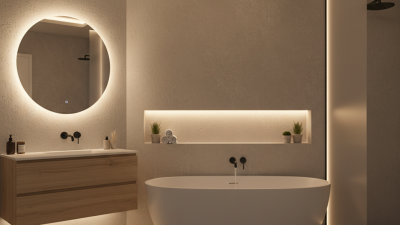
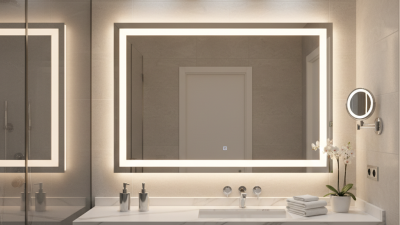
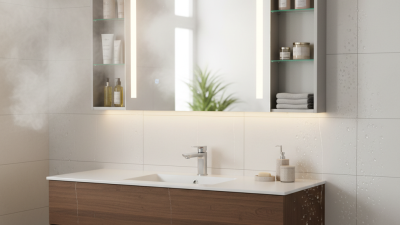
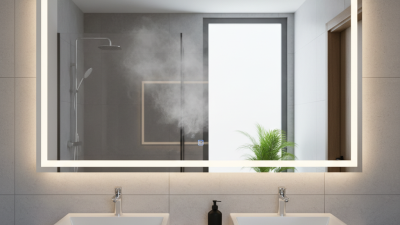
Backlighting plays a crucial role in bathroom design. It creates an inviting atmosphere. Properly placed lighting can accentuate textures and colors. This adds depth to the space. For instance, backlit mirrors can make the room feel larger. They cast a soft glow that illuminates your face.
However, not all backlighting is effective. You may find that some fixtures create unwanted shadows. Placement is everything. Experiment with light angles to avoid harsh reflections. Also, consider the color temperature of your bulbs. A cool white light can feel sterile. Warmer tones create a cozy ambiance. It’s essential to reflect your personal style while ensuring functionality.
Try integrating dimmable options to adjust the mood. Sometimes a bright light is too harsh for relaxation. A gentle, warm glow is more soothing. Lighting design can be a tricky balance between aesthetics and practicality. Each bathroom is unique, so find what works best for yours. Embrace the imperfections in your process, and remember that experimentation can lead to beautiful results.
Importance of Backlighting in Bathroom Design
Key Types of Backlighting: Options for Different Bathroom Styles
When designing a bathroom with backlighting, consider various options that fit different styles. For a modern bathroom, LED strips can be placed under vanities or along mirrors. This creates a sleek ambiance that complements contemporary elements. Additionally, recessed lighting in the ceiling provides a clean, unobtrusive source of illumination.
If your bathroom leans towards a traditional style, sconces with soft, diffused light can enhance the vintage feel. These fixtures often come in ornate designs, adding character. However, they may create shadows in specific areas. It's essential to position them properly to avoid uneven lighting. A little reflection on placement can make a big difference.
For an eclectic look, colorful backlighting behind frosted glass adds a unique touch. This option allows for creativity, but overuse can lead to a chaotic feel. It's crucial to balance bold choices with soothing elements. Always consider the overall atmosphere you wish to create.
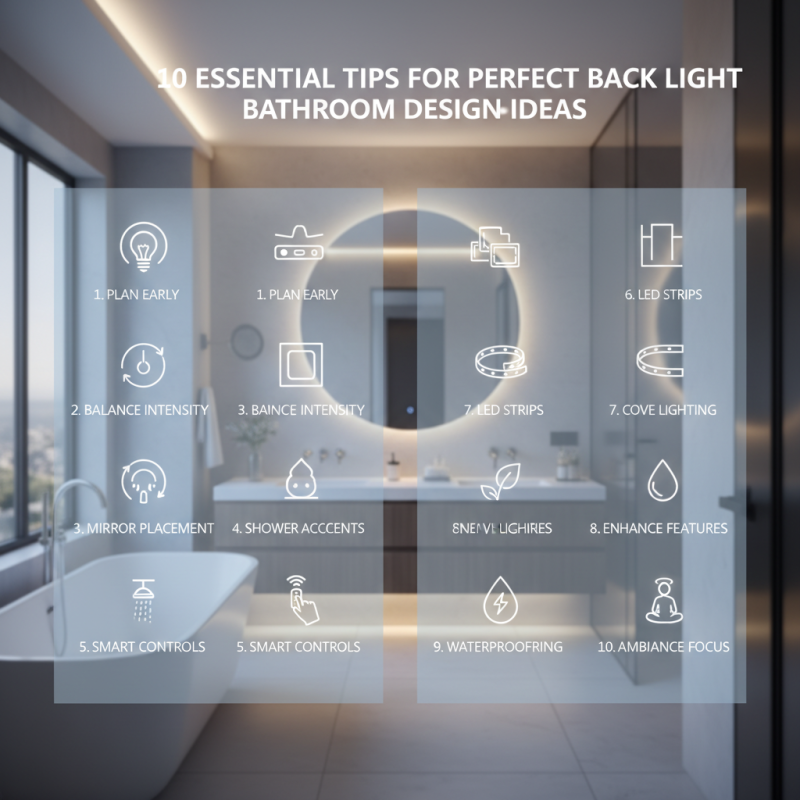
10 Essential Tips for Perfect Back Light Bathroom Design Ideas
| Backlighting Type |
Best for Style |
Advantages |
Considerations |
| LED Strip Lighting |
Modern, Contemporary |
Energy-efficient, Versatile |
Temperature range, Installation complexity |
| Recessed Lighting |
Minimalist, Transitional |
Sleek appearance, Space-saving |
Requires ceiling height, Installation costs |
| Wall-mounted Fixtures |
Traditional, Rustic |
Decorative options, Ambient lighting |
Fixture styles are limited, May require wiring adjustments |
| Backlit Mirrors |
Contemporary, Glam |
Functional, Stylish |
Higher cost, Electrical considerations |
| Accent Lighting |
Eclectic, Modern |
Creates drama, Emphasizes features |
Can be overpowering, Requires planning |
Optimal Positioning: How to Location Lights for Maximum Effect
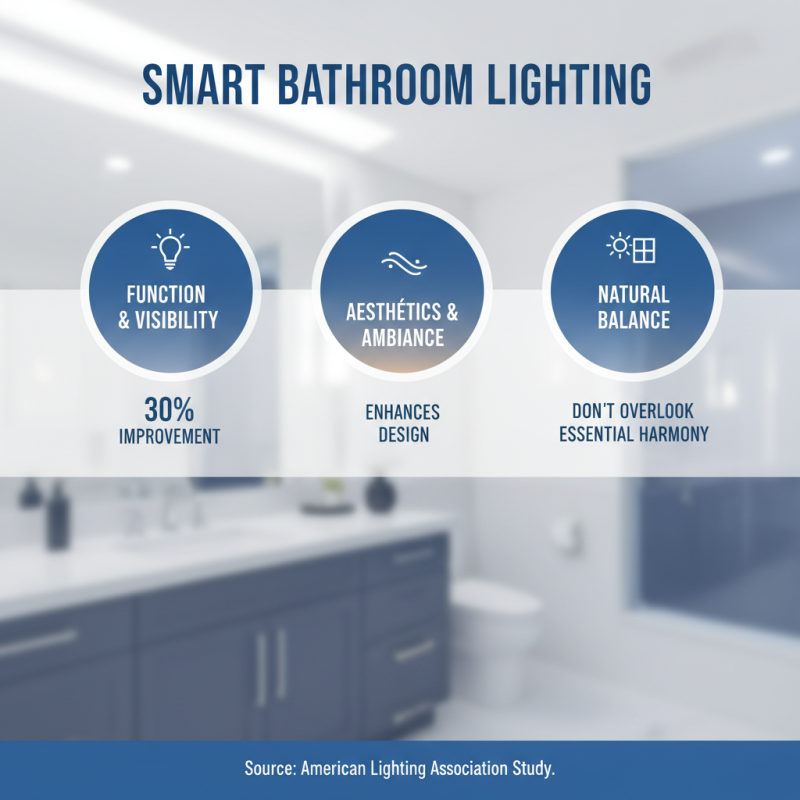
Lighting plays a crucial role in bathroom design. Proper placement can greatly enhance both functionality and aesthetics. According to a study by the American Lighting Association, well-placed lights can improve visibility by up to 30%. When designing, consider where natural light enters. This is often overlooked but essential for creating balance.
Centering your light sources above and near mirrors can be effective. Aim for fixtures that provide even illumination, avoiding harsh shadows. For example, sconces on either side of the mirror can create a flattering glow. However, many overlook the importance of dimmable fixtures. These allow you to adjust the brightness as needed, adapting the space for different functions.
Placement should account for user height as well. Many fixtures are installed too high, leading to ineffective lighting. According to the National Kitchen and Bath Association, the average eye level is around 5 feet 5 inches. Align your lighting accordingly to maximize its effectiveness. Remember, the best design is functional yet inviting. Balancing utility with warmth can make a bathroom feel like a personal sanctuary.
Energy Efficiency in Bathroom Lighting: Choosing Sustainable Solutions
Adjusting your bathroom lighting can significantly enhance both aesthetics and efficiency. Studies show that up to 30% of household energy use comes from lighting. Opting for LED fixtures can reduce this consumption dramatically. In fact, LED lights use about 75% less energy than traditional incandescent bulbs. This not only saves on utility bills but also benefits the environment.
When designing light fixtures for a bathroom, consider natural light sources. Windows or skylights can reduce dependence on electric lighting, especially during the day. However, if a space lacks natural light, energy-efficient options are crucial. Dimmers and motion sensors can optimize brightness while conserving energy. Adding these elements may seem simplistic, yet they can lead to significant savings over time.
Keep in mind that sustainable solutions often require investment upfront. This can lead to hesitation in adopting energy-efficient choices. However, the return on investment can be notable. For instance, ENERGY STAR-certified products often last longer and consume less energy. Balancing initial costs with long-term savings is essential for creating a functional and eco-friendly bathroom. These decisions ultimately contribute to a more sustainable living environment.
Incorporating Technology: Smart Lighting Trends for Modern Bathrooms
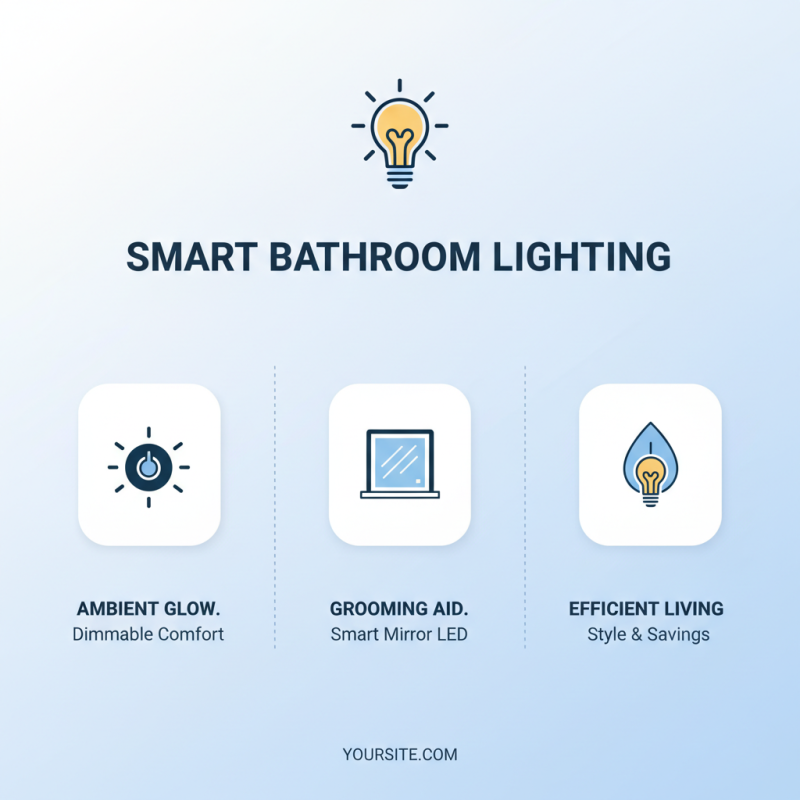
Smart lighting has transformed modern bathrooms. It brings style, function, and efficiency together. Consider dimmable lights for adjusting brightness based on mood or time. This feature makes every bath feel special, inviting relaxation. Smart mirrors with built-in LED lighting can enhance your grooming routine. They adjust to natural light, providing the perfect glow.
When designing your bathroom, think about layered lighting. Combine ambient, task, and accent lighting to create depth. Use wall sconces beside mirrors for a well-lit space. Additionally, smart controls, like voice activation or smartphone apps, can remove the hassle of reaching for switches. Imagine just saying, “light up,” and it happens.
Don’t overlook the importance of placement. Mistakes often arise when lights are too high or too low. A common error is positioning lights directly above mirrors, which creates unflattering shadows. Experiment with angles to find the best solution. Incorporate features like motion sensors for added convenience. They can turn on lights automatically, saving energy while ensuring your bathroom looks good.