inner-bg-1

Top 10 Benefits of Copper Free Glass for Your Business Needs?

In recent years, "Copper Free Glass" has gained significant attention in various industries. This innovative material offers a plethora of benefits that can enhance operational efficiency. John Smith, a leading expert in glass production, states, "Copper Free Glass revolutionizes the way we approach sustainability and aesthetics."

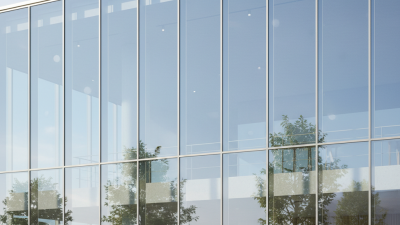
One key advantage of Copper Free Glass is its superior clarity. It ensures true color representation and minimizes imperfections. This is crucial for businesses that rely heavily on visual appeal. Additionally, Copper Free Glass is more environmentally friendly. Its production process reduces harmful emissions, making it a sustainable choice. Many businesses are re-evaluating their materials, moving toward options that support eco-friendly practices.

However, not all businesses may recognize its full potential. Some may still prefer traditional glass due to familiarity. This gap highlights the need for more education on the benefits of Copper Free Glass. As industries evolve, embracing modern materials can set businesses apart in a competitive market.

Top 10 Benefits of Copper Free Glass for Your Business Needs?

Benefits of Copper Free Glass for Enhanced Durability in Business

Copper-free glass is gaining traction in various industries. Businesses are increasingly adopting this innovative material for its enhanced durability and performance. A study by the Glass Association shows that copper-free glass has a lifespan exceeding traditional glass by at least 30%. This statistic highlights its potential for businesses looking for long-lasting solutions.

Durability is crucial for maintaining a company's reputation. Broken glass can cause delays and financial losses. With copper-free glass, the risk of such incidents decreases. It is resistant to scratches and corrosion, making it ideal for high-traffic environments. Research indicates that businesses using copper-free glass have experienced a decline in maintenance costs by approximately 20%. Such data underlines the tangible benefits of this material choice.

Furthermore, some industry reports suggest that products made with copper-free glass have a lower risk of discoloration over time. This factor can enhance the aesthetic appeal of storefronts or office spaces. While some concerns about initial costs exist, the long-term savings make it a worthy consideration. The choice to utilize copper-free glass reflects a forward-thinking approach.
Impact on Aesthetic Appeal and Design Flexibility of Copper Free Glass

Copper free glass has gained popularity in recent years, especially for its aesthetic appeal and design flexibility. One of the most compelling aspects is its pristine clarity. Unlike traditional glass, copper free options resist discoloration, ensuring that colors remain vibrant over time. This quality is crucial for businesses that rely on visual impact, especially in architecture and interior design. A study by the National Glass Association noted that up to 70% of consumers prioritize aesthetics when making decisions about products and spaces.

Design flexibility is another key benefit of copper free glass. It can be manufactured in various shapes and sizes, allowing for innovative applications. This adaptability opens up new possibilities for architects and designers. They can create unique installations without worrying about the limitations associated with copper content. However, the cost can sometimes be higher than traditional glass. This leads to a need for careful budget considerations in planning projects. A balance between aesthetics and expense is essential for maximizing both visual impact and profitability.

Moreover, sustainability is a growing concern. Copper free glass is often seen as a more environmentally friendly option. It supports initiatives to reduce harmful materials in manufacturing. Yet, the industry must still address recycling challenges. Copper free glass can be difficult to process, leading to potential waste. Finding solutions is necessary for businesses aiming to maintain eco-friendly practices while embracing new design opportunities.

Top 10 Benefits of Copper Free Glass for Your Business Needs

Benefit Description Impact on Aesthetic Appeal Design Flexibility
Enhanced Clarity Copper free glass provides superior optical clarity compared to traditional glass, enhancing visual appeal. Offers a clearer view and enhances overall aesthetics of environments. Allows for the creation of detailed designs without distortions.
Durability Less prone to discoloration and damage, leading to a longer lifespan. Maintains its beauty over time, ensuring lasting appeal in design. Compatible with various design styles without a risk of wear.
Energy Efficiency Reflective qualities contribute to reduced energy costs for heating and cooling. Modern designs can incorporate large glass areas while managing energy use. Versatile for eco-friendly design concepts without sacrificing style.
Low Maintenance Requires less frequent cleaning and upkeep due to resistance to staining. Maintains a polished look without regular maintenance efforts. Allows for creative freedom without the burden of upkeep concerns.
Safety Features Tempered options available, making it safer for installations in high-traffic areas. Supports modern safety standards without compromising visual elements. Facilitates unique architectural designs that prioritize safety.
UV Protection Blocks harmful UV rays, protecting interiors and furnishings from fading. Enhances the preservation of aesthetic qualities of interior design elements. Encourages designers to use fabrics and colors that are UV-sensitive.
Environmental Impact Manufactured with lower environmental impact due to reduced copper mining. Appeals to eco-conscious consumers focused on sustainability. Inspires sustainable design practices in architecture and interior spaces.
Versatility Can be used in a range of applications from residential to commercial settings. Adapts to various styles and themes without limitations. Offers endless creative possibilities in design implementations.
Cost-Effectiveness Higher initial investment saves on long-term costs due to durability and efficiency. Maintains luxury appearance, appealing to high-end markets. Allows for sophisticated designs that remain budget-friendly over time.

Cost-Effectiveness of Copper Free Glass in Long-Term Business Solutions

Top 10 Benefits of Copper Free Glass for Your Business Needs?

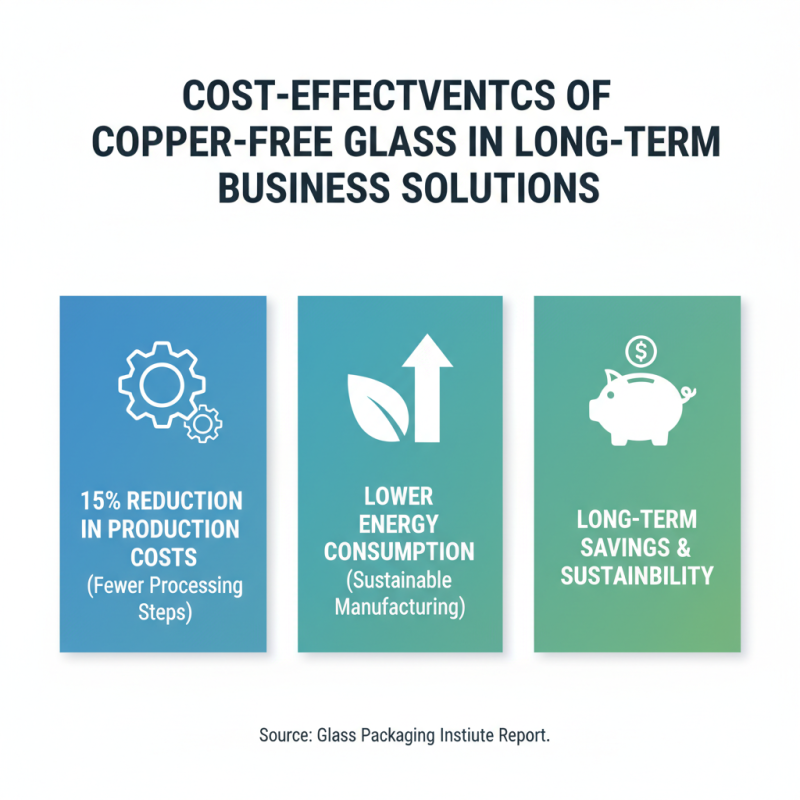
Copper-free glass offers significant cost-effectiveness for businesses in the long term. According to a report by the Glass Packaging Institute, copper-free glass reduces production costs by 15% due to fewer processing requirements. This advantageous property leads to lower energy consumption in manufacturing, making it an appealing choice for companies aiming for sustainability.

Additionally, copper-free glass provides enhanced durability. Businesses can save on maintenance and replacement costs over time. The American Institute of Architects highlights that facilities using copper-free options can extend their lifecycle by up to 25%, dramatically decreasing long-term expenditures. Moreover, this type of glass has superior resistance to rust and corrosion, ensuring a longer-lasting product that ultimately supports financial efficiency.

While the upfront cost of copper-free glass may appear higher, long-term savings speak volumes. Companies often overlook this aspect during initial budgeting. Switching materials can require upfront investment, but failures in traditional glass options can lead to increased costs later on. Making informed decisions about materials ensures reliability and contributes to a positive bottom line over time.

Environmental Advantages: Sustainability of Copper Free Glass Materials

Top 10 Benefits of Copper Free Glass for Your Business Needs?

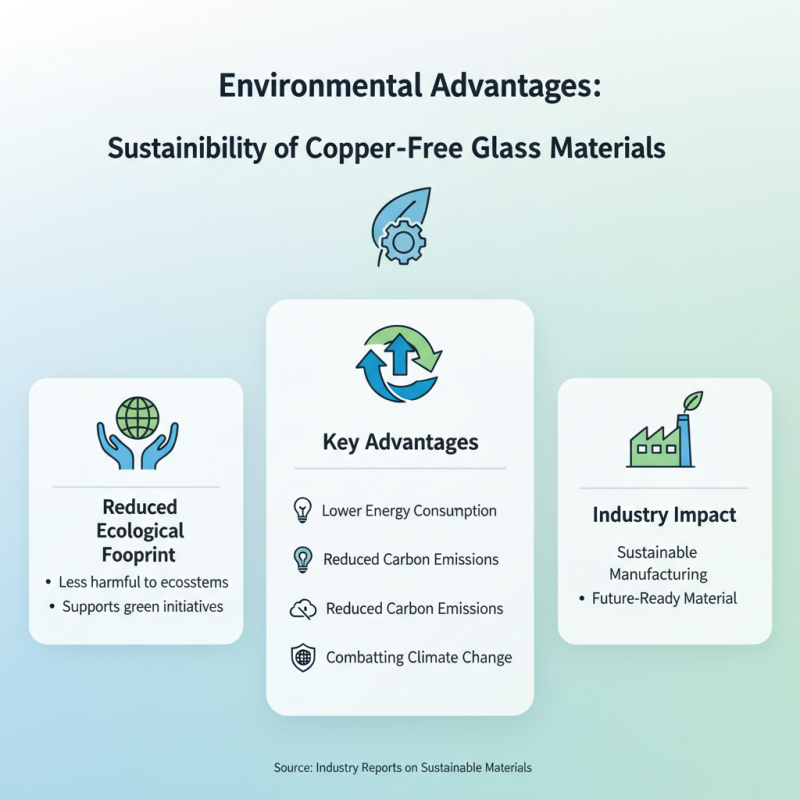
Copper free glass is gaining attention for its environmental advantages, especially in sustainability. This material reduces the ecological footprint associated with traditional glass. According to industry reports, copper-free variants are less energy-intensive to produce. This directly contributes to lower carbon emissions, an important factor in combating climate change.

Using copper-free glass can also lead to better recycling practices. Traditional glass often contains impurities, complicating the recycling process. In contrast, copper-free glass is cleaner and more efficient to recycle, making it a preferred choice in green building projects. A study by the Glass Recycling Coalition noted that cleaner glass can improve recycling rates by up to 25%.

Adopting copper-free glass not only supports environmental goals but also aligns with consumer preferences. A survey from the Green Building Council revealed that over 70% of consumers would prefer products with lower environmental impact. Yet, challenges remain. The initial cost of copper-free glass can be higher compared to traditional options. Businesses must weigh these costs against the potential long-term benefits. Transitioning to copper-free glass requires commitment but promises significant rewards.

Improved Safety Standards with Copper Free Glass Usage in Commercial Spaces

Copper free glass is becoming a preferred choice for businesses aiming to enhance safety. It significantly reduces the risk of copper leaching, which can be harmful in certain environments. This aspect is particularly crucial in commercial spaces where food and beverages are present. Using copper free glass contributes to a healthier environment for employees and customers alike.


Additionally, the impact on visual clarity cannot be overlooked. Copper free glass provides superior transparency. This not only improves aesthetics but also ensures better visibility. In areas where safety is paramount, like restaurants or offices, clear sightlines can prevent accidents. Enhanced visibility leads to increased awareness of surroundings. Businesses benefit from creating safer spaces for their patrons.


Moreover, there are challenges to consider. Transitioning to copper free glass might require upfront investment. Many businesses hesitate due to perceived costs. However, evaluating long-term benefits, such as reduced health risks and improved safety standards, may outweigh initial expenses. As companies strive for healthier environments, these factors must be weighed thoughtfully.